American consumers are grappling with a significant surge in gasoline costs, as prices at the pump have soared to their highest point in four years. This sharp increase is placing considerable strain on household budgets and raising concerns about broader economic implications.
Rising Costs at the Pump
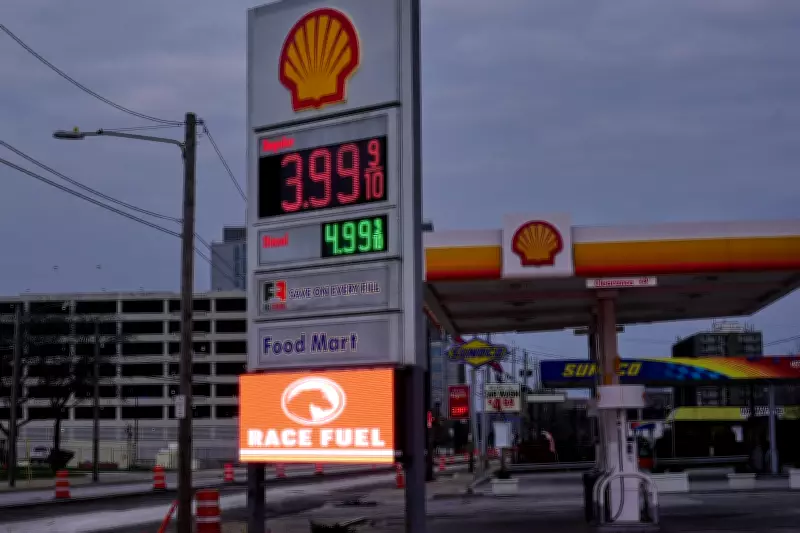
Recent data indicates that regular gasoline prices are approaching the $4 per gallon mark across numerous locations in the United States. In Cleveland, Ohio, for instance, multiple gas stations displayed signs advertising regular fuel at $3.999 per gallon on Monday, March 30, 2026. This price point represents a notable jump from previous years and reflects ongoing volatility in the energy market.
Factors Driving the Increase
Several key elements are contributing to this upward trend in fuel costs. Geopolitical tensions, particularly conflicts affecting oil-producing regions, have created uncertainty in global supply chains. Additionally, seasonal demand fluctuations and refinery maintenance schedules are exerting pressure on available inventories. The combination of these factors has resulted in a perfect storm that is pushing prices higher.

Broader Economic Impact
The escalation in gasoline expenses is not occurring in isolation. It is part of a larger pattern of inflationary pressures that are affecting various sectors of the economy. Higher fuel costs directly influence transportation and logistics expenses, which can lead to increased prices for goods and services throughout the supply chain. This ripple effect may further strain consumers who are already dealing with elevated costs in other areas.
Consumer Response and Adaptation
In response to these rising prices, many Americans are adjusting their driving habits and budgeting strategies. Some are opting for more fuel-efficient vehicles, while others are consolidating trips or exploring alternative transportation methods. The financial burden is particularly heavy for low- and middle-income families, who allocate a larger portion of their earnings to essential expenses like fuel.
Market and Policy Considerations
The current situation has sparked discussions among policymakers and industry analysts regarding potential interventions. While some advocate for strategic releases from national petroleum reserves to alleviate short-term shortages, others emphasize the need for long-term investments in renewable energy sources and infrastructure improvements. The balance between immediate relief and sustainable solutions remains a topic of intense debate.
As gasoline prices continue to climb, monitoring market trends and consumer behavior will be crucial. The trajectory of fuel costs in the coming months will likely play a significant role in shaping economic forecasts and influencing both personal financial decisions and broader policy directions.