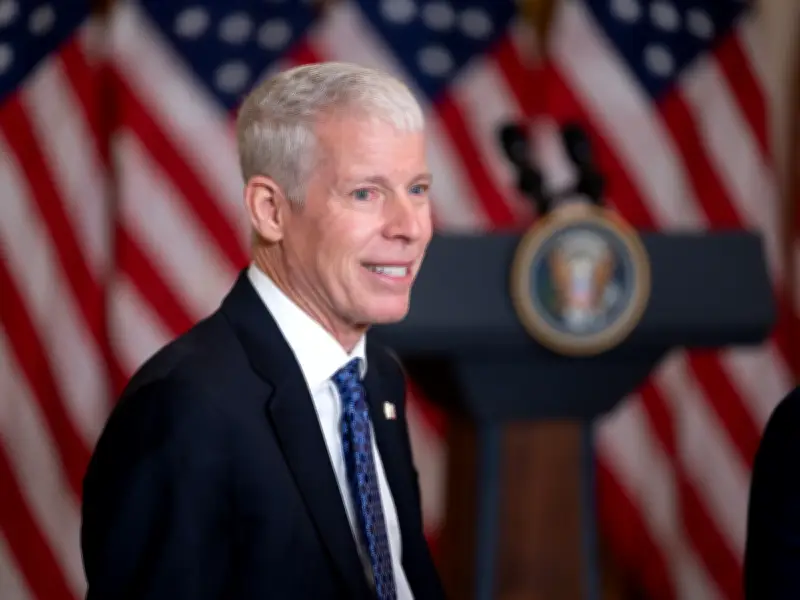
U.S. Energy Secretary Chris Wright announced that roughly 7 million barrels of daily oil and fuel shipments are now flowing through the Strait of Hormuz, representing about half of the volumes that were stranded at the onset of the Iran war. The statement was made during the Bloomberg Energy Security Executive Briefing in Houston on Friday.
Restoration Efforts
Wright emphasized that the United States is committed to fully reopening the waterway, with or without Iran's assistance. At the start of the war in late February, approximately 20 million barrels of daily shipments were halted as the strait was effectively closed. Several million barrels were rerouted to alternative ports outside the Persian Gulf, leaving about 14 million barrels trapped, according to Wright.
“That represented a big flow gap,” Wright said. “And we’re just going to restore flows ourselves.”

Market Impact
The restoration of 7 million barrels per day exceeded expectations. Dan Pickering, chief investment officer at Pickering Energy Partners, noted that the figure is larger than anticipated and helps justify the lower-than-expected oil prices. International oil futures fell 3.4% in London, dipping below US$86 a barrel for the first time since the early weeks of the war. Prices have dropped about 45% from the wartime high above US$126 reached in late April.
Industry Skepticism
Chevron Corp. CEO Mike Wirth expressed caution, suggesting that flows through the strait may not be as high as Wright stated. Wirth also warned against making premature assumptions regarding truce negotiations, citing Iran's history as a patient and immovable negotiating force. “The evidence would say you shouldn’t fully believe that until you see the agreement signed and actions begin to take effect,” Wirth said.
Potential Peace Deal
According to Bloomberg, the U.S. and Iran may sign an agreement to reopen the Strait of Hormuz on the sidelines of the Group of Seven world leaders summit next week, following months of war and an unsteady ceasefire. A senior Iranian official indicated overnight that a deal is likely, according to a G7 official and a diplomat.
Strategic Petroleum Reserve
Wright also expressed a desire to see the U.S. Strategic Petroleum Reserve, which has been tapped to cushion the impact of war-related disruptions, become “completely full.” He ruled out any export ban to bolster domestic energy supplies.