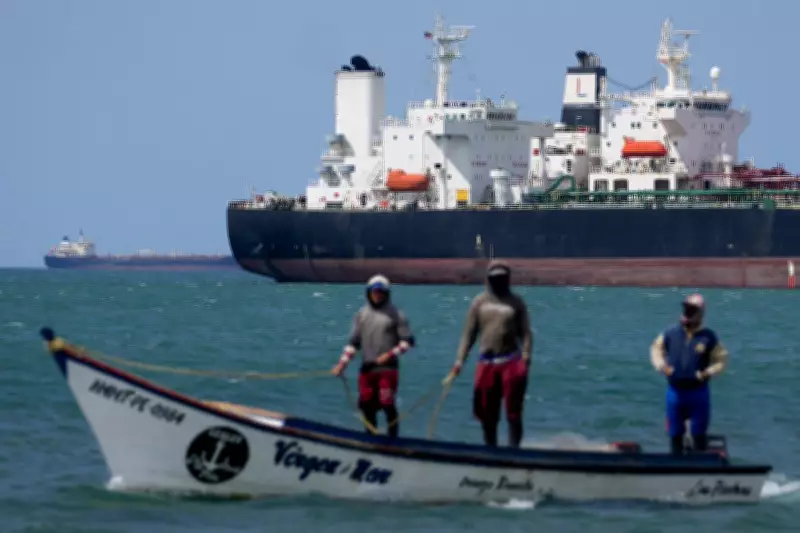
U.S. Eases Venezuela Oil Sanctions as Trump Seeks to Boost World Oil Supply During Iran War
In a significant policy shift, the United States has moved to ease sanctions on Venezuela's oil industry. This strategic decision, announced by the Trump administration, is aimed at bolstering the global oil supply amidst the escalating conflict involving Iran. The move marks a notable departure from previous stringent measures and reflects a pragmatic approach to energy security during times of international tension.
Background and Rationale for the Sanctions Relief
The sanctions relief comes as the Trump administration grapples with the economic and geopolitical ramifications of the Iran war. By allowing increased oil exports from Venezuela, the U.S. hopes to stabilize world oil markets and prevent potential supply shortages that could drive up prices and exacerbate inflationary pressures. This decision underscores the administration's focus on maintaining energy affordability and security for American consumers and allies worldwide.
Historical context: Venezuela, once a major oil producer, has seen its output plummet due to years of economic mismanagement, political instability, and U.S. sanctions. The easing of restrictions could provide a much-needed lifeline to the country's struggling energy sector, while simultaneously serving U.S. strategic interests.

Implications for Global Energy Markets
The relaxation of sanctions is expected to have immediate and far-reaching effects on global energy dynamics. Analysts predict that increased Venezuelan oil flowing into international markets could help offset supply disruptions caused by the Iran conflict. This could lead to more stable oil prices, benefiting economies heavily reliant on energy imports.
Key points to consider:
- The move may reduce the risk of oil price spikes that often accompany geopolitical crises.
- It could enhance the U.S.'s leverage in global energy diplomacy by diversifying supply sources.
- There are concerns about the long-term viability of Venezuela's oil infrastructure and the potential for renewed political instability.
Political and Economic Considerations
The decision to ease sanctions is not without controversy. Critics argue that it could undermine efforts to promote democratic reforms in Venezuela by providing economic relief to the current regime. However, proponents contend that the strategic benefits of securing additional oil supplies during a time of war outweigh these concerns.
Economic impact: For the U.S., the policy shift aligns with broader goals of energy independence and market stability. It also reflects a calculated risk, balancing humanitarian and political objectives with pragmatic energy needs. The Trump administration's approach highlights the complex interplay between foreign policy, economic strategy, and national security in the modern global landscape.
Future Outlook and Potential Challenges
Looking ahead, the success of this sanctions relief will depend on several factors, including Venezuela's ability to ramp up production and maintain stable exports. Additionally, the evolving situation in Iran and its impact on oil markets will continue to influence U.S. policy decisions. Monitoring these developments will be crucial for stakeholders in the energy sector and beyond.
In conclusion, the U.S. easing of Venezuela oil sanctions represents a strategic maneuver to enhance global oil supply during the Iran war. This policy adjustment underscores the Trump administration's focus on energy security and market stability, while navigating the intricate web of international relations and economic pressures.