U.S. Crude Production Climbs Back After Major Winter Storm Disruption
American crude oil output has begun to tick upward once again, according to recent industry data, marking a recovery from the substantial production hit inflicted by a severe winter storm in late January. The powerful weather system, which brought freezing temperatures and widespread power outages to several key energy-producing states, temporarily crippled operations and led to a notable dip in national production figures.
Storm Impacts on Energy Infrastructure
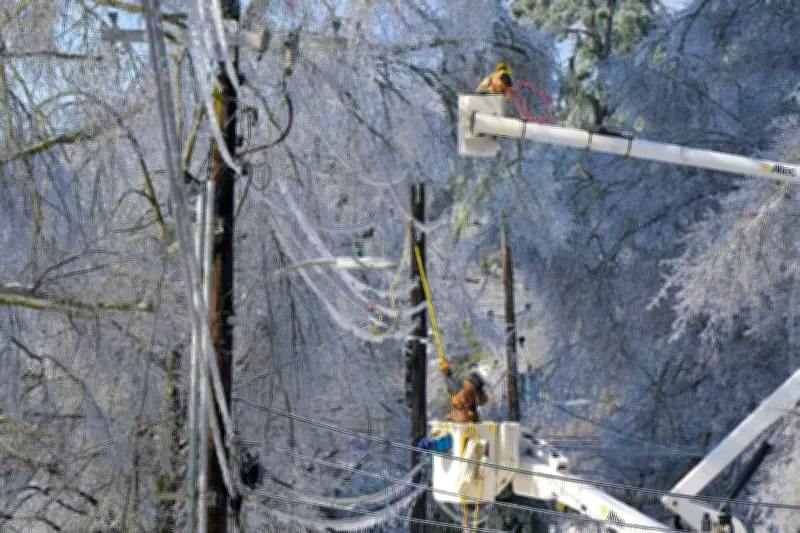
The winter storm, characterized by heavy ice and snow, disrupted critical infrastructure across the oil patch. Field operations were hampered, transportation logistics faced delays, and in some areas, power restoration became a priority before normal drilling and extraction activities could resume. The incident highlighted the ongoing vulnerability of energy supply chains to extreme weather events, even as the industry demonstrates resilience in bouncing back.
This rebound is a positive signal for energy markets, which closely monitor U.S. production levels given their influence on global oil prices and supply stability. The temporary decline had contributed to market volatility, with analysts watching for signs of how quickly output could normalize.

Broader Context and Market Observations
The event occurs within a complex energy landscape. While production recovers, other economic reports, such as those noting a widening income and wealth gap, remind observers that the benefits of energy sector activity are not uniformly distributed. Furthermore, discussions around climate policy and the transition to renewable energy continue to shape long-term planning for fossil fuel industries.
The resilience of U.S. crude production remains a key factor in global energy security. The ability to quickly restore output after such disruptions underscores the operational expertise within the sector, though it also renews conversations about infrastructure hardening and the economic costs associated with climate-related extremes.
As operations continue to normalize, market watchers will be assessing whether production can not only return to pre-storm levels but also sustain the growth trajectory that has characterized much of the recent period. The interplay between weather, geopolitics, and economic policy will undoubtedly influence the sector's path forward in the coming months.