Industry Leaders Urge Urgent Action to Fast-Track Major Energy Projects in Canada
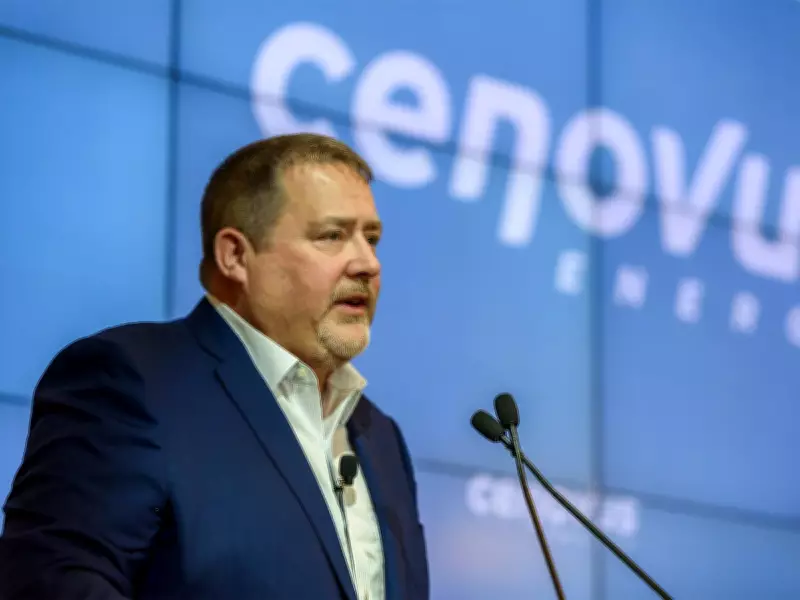
As global demand for energy continues to rise, Canada faces a critical juncture in getting major resource projects off the ground. Alex Pourbaix, chair of Cenovus Energy and incoming chair of the Business Council of Alberta, emphasizes the need for urgent action and clear regulatory frameworks to avoid repeating past failures that stalled developments like the Energy East pipeline.
Clear Rules of the Road Needed
Pourbaix stated on Monday, "We just need to understand, what are the rules of the road... I hope we’re going to get to a good outcome." He highlighted the industry's biggest concern: investing hundreds of millions of dollars into proposed projects, only to discover at the last minute that they cannot meet political hurdles.
This call for clarity comes as Alberta pushes for a new oil pipeline to the British Columbia coast, while Ottawa aims to develop a major carbon capture network in the province. Pourbaix, who also served as a former executive at TransCanada Corp., finds himself at the center of these national energy discussions.

Pathways Carbon Capture Network and Regulatory Reforms
Cenovus Energy is among five major oilsands producers examining the Pathways carbon capture network in northern Alberta. The group is engaged in trilateral talks with the provincial and federal governments as part of a broader energy memorandum of understanding signed in November. Although a deadline for the Pathways agreement arrives Wednesday, Premier Danielle Smith has indicated it could be extended.
Simultaneously, the Business Council of Alberta released a new roadmap on Monday to accelerate project approvals and investment. The council advocates for restoring confidence in project reviews by reforming the federal Impact Assessment Act and the Canadian Energy Regulator Act.
Recommendations for a Streamlined Approval Process
The council's report outlines several key recommendations to fix Canada's major project approval process:
- Implementing a political decision early in the evaluation to determine if a major development can proceed, similar to Ottawa's Bill C-5 legislation for projects designated in the national interest.
- Avoiding delays by ensuring decisions are made at the outset rather than near the end of lengthy regulatory processes.
- Creating a more predictable and efficient system to attract investment and meet global energy demands.
Pourbaix also serves as co-chair on Alberta's technical advisory panel, which is helping the UCP government evaluate the new oil pipeline proposal to the British Columbia coast. His dual roles underscore the interconnected efforts to boost Canada's energy sector through both infrastructure and environmental initiatives.
The push for regulatory reform and fast-tracking projects reflects a broader strategy to position Canada as a reliable energy supplier while addressing climate concerns through technologies like carbon capture. As Pourbaix and other industry leaders advocate for change, the focus remains on balancing economic growth with environmental stewardship in a rapidly evolving global market.