Trump Launches $12 Billion Critical Minerals Stockpile to Counter China's Dominance
In a significant move to bolster American industrial independence, United States President Donald Trump is set to unveil a strategic critical-minerals stockpile with an initial investment of US$12 billion. This initiative, dubbed Project Vault, aims to insulate manufacturers from supply shocks as the U.S. intensifies efforts to slash its reliance on Chinese rare earths and other essential metals.
Project Vault: A Public-Private Partnership
The venture will combine US$1.67 billion in private capital with a substantial US$10 billion loan from the U.S. Export-Import Bank. This funding will be used to procure and store critical minerals for a wide range of industries, including automakers, technology firms, and other key manufacturers. Senior administration officials, who requested anonymity as the plan has not yet been formally announced, described this as a first-of-its-kind stockpile for the U.S. private sector.
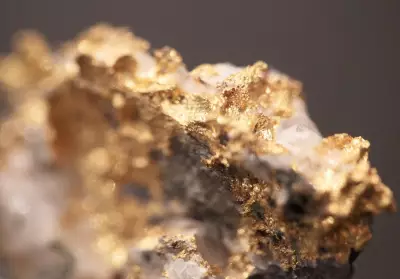
The stockpile is expected to include minerals such as gallium and cobalt, which are vital for producing iPhones, batteries, jet engines, and numerous other high-tech products. It will encompass both rare earths and critical minerals, along with other strategically important elements that often experience volatile price fluctuations.

Reducing Dependence on Chinese Supplies
This effort represents a major commitment to accumulating minerals deemed critical to the industrial economy, particularly in the automotive, aerospace, and energy sectors. It underscores Trump's broader strategy to wean U.S. supply chains away from China, which currently dominates the global market as the primary provider and processor of critical minerals.
The initiative has already garnered participation from more than a dozen prominent companies, including:
- General Motors Co.
- Stellantis NV
- Boeing Co.
- Corning Inc.
- GE Vernova Inc.
- Alphabet Inc.'s Google
Additionally, three commodities trading houses—Hartree Partners LP, Traxys North America LLC, and Mercuria Energy Group Ltd.—have signed on to manage the purchases of raw materials needed to fill the stockpile.
Building on Existing Frameworks
The project is akin to the nation's existing emergency oil stockpile but focuses on minerals instead of crude. While the U.S. already operates a national stockpile of critical minerals for defense-industrial purposes, it lacks a similar reserve for civilian needs. Under Trump's administration, the U.S. has also taken the rare step of investing directly in domestic minerals companies to boost the production and processing of rare earths within the country.
The Export-Import Bank's board is scheduled to vote later Monday to authorize the record-setting 15-year loan, which is more than double the size of the next-largest deal ever executed by the bank. Trump is set to meet with GM's chief executive Mary Barra and mining billionaire Robert Friedland, representing both producers and users of critical minerals, to discuss the initiative further.
International Cooperation and Momentum
The administration has already secured cooperation agreements with countries such as Australia, Japan, and Malaysia on this issue. It plans to press more nations to pursue similar pacts during an upcoming summit of dozens of countries in Washington on Wednesday.
The drive to reduce risk in the mineral supply chain gained new urgency last year after China tightened export controls on some materials. This action prompted some U.S. manufacturers to scale back production and highlighted the extent of Beijing's leverage over global supply chains.
This strategic stockpile initiative marks a pivotal step in securing America's industrial future and reducing geopolitical vulnerabilities in critical resource dependencies.