TC Energy CEO Criticizes Canada's Slow Project Approvals Despite Carney Reforms
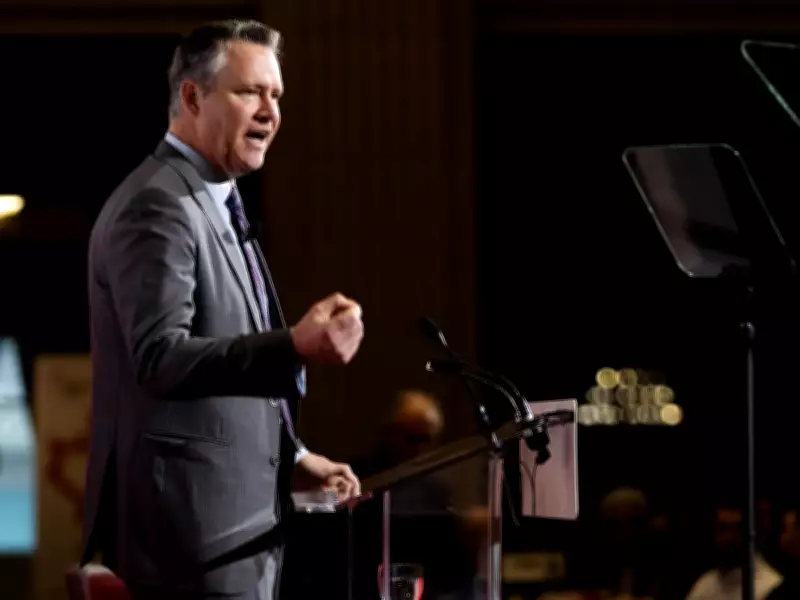
Francois Poirier, the president and chief executive officer of TC Energy Corp., has voiced significant concerns about Canada's energy infrastructure approval process, stating that it remains excessively slow despite recent reform efforts by Prime Minister Mark Carney. Poirier emphasized the urgent need for more competitive timelines to meet rising global energy demands.
Call for Six-Month Permit Timelines
In a recent interview with Bloomberg News, Poirier reiterated his call for the Canadian government to implement a six-month timeline for key permits required by energy companies. This demand comes as Carney established the Major Projects Office last year, aiming to guide proposals to approval within two years. However, Poirier argues that this timeframe is insufficient in today's fast-paced energy market.
"We're competing for international customers to deliver them LNG. We want to diversify beyond the U.S. We don't get to pick the timelines," Poirier stated, highlighting the competitive pressures facing Canadian energy projects. He contrasted this with TC Energy's experience in Mexico, where permits for the Southeast Gateway natural gas pipeline were secured in just seven months, assuring that no environmental standards were compromised.

Global Energy Market Dynamics
The ongoing war in Iran has disrupted Middle Eastern supplies, causing oil and liquefied natural gas prices to surge. This conflict is reshaping the outlook for new energy infrastructure as buyers reassess demand and risks, while new supply projects are being developed. Poirier acknowledged the sensitivity of discussing opportunities arising from human suffering but noted that the war underscores "how fragile the balance is between supply and demand" in global energy markets.
TC Energy, which transports approximately 30 percent of North America's natural gas, faces increasing demand driven by the surging power requirements of data centers. The company could potentially add billions of dollars in new projects in the United States to support this growth. However, Poirier pointed out that "it's challenging right now, given the permitting timelines, for infrastructure to be built quickly enough to keep up with the demand growth."
Variability in Permit Processes
Poirier noted that permit timelines vary significantly by jurisdiction. For instance, on a project in Virginia, permits arrived earlier than expected, but such cases are inconsistent. This variability complicates planning and execution for large-scale energy projects.
TC Energy is also exploring an expansion of Bruce Power, its nuclear power plant in Ontario, and operates Coastal GasLink, which connects western Canada's gas fields to the LNG Canada complex in British Columbia. The Shell Plc-led consortium is currently considering a decision to build LNG Canada's second phase, potentially in the second half of this year. If approved, this phase would double the facility's capacity to 28 million metric tonnes per year.
Canada's LNG Export Potential
Poirier expressed strong confidence in Canada's ability to become a major player in the global LNG market. "Canada has the resources, has the know-how, and I firmly believe that Canada can become the largest exporter of LNG to Asia," he said. "There's a huge opportunity for Canada." This optimism is tempered by the need for more efficient regulatory processes to capitalize on these opportunities.
A spokesperson for Energy Minister Tim Hodgson declined to comment on Poirier's remarks, leaving the government's response to these criticisms unclear. As global energy dynamics continue to evolve, the debate over Canada's project approval timelines remains a critical issue for the nation's economic and energy future.