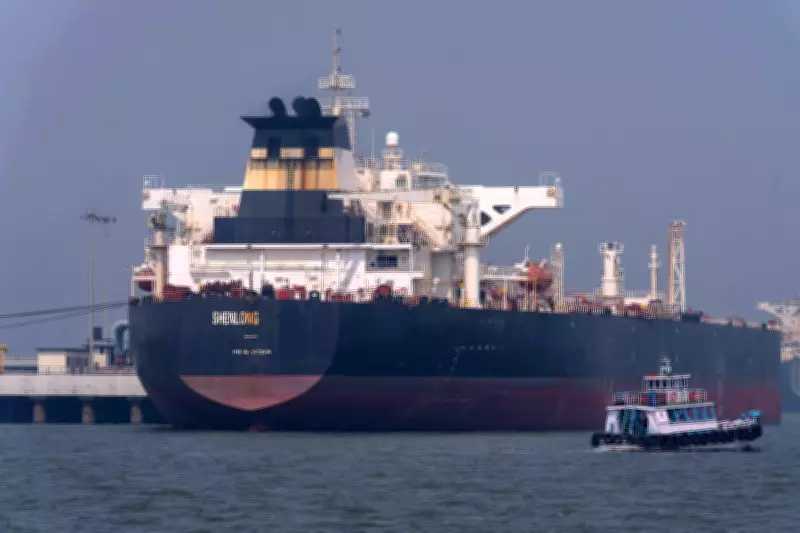
Options Market Signals Rising Risk of $150 Oil Amid Strait of Hormuz Shutdown
Financial markets are flashing warning signs as the prolonged closure of the Strait of Hormuz continues to disrupt global oil supplies, with options trading indicating a heightened risk of crude prices soaring to $150 per barrel. This critical maritime chokepoint, which handles about one-fifth of the world's seaborne oil shipments, has been shut since early March 2026, following escalating geopolitical tensions in the region.
The situation has sent shockwaves through energy markets, with traders increasingly hedging against extreme price spikes. Market data reveals a significant uptick in options contracts betting on oil reaching $150, reflecting growing anxiety over sustained supply constraints. Analysts note that this shift in market sentiment underscores the fragility of global energy infrastructure in the face of regional conflicts.
Impact on Global Oil Supply Chains
The shutdown has forced tankers to seek alternative routes, such as longer voyages around the Cape of Good Hope, adding substantial costs and delays to deliveries. A recent example is the Liberia-flagged tanker Shenlong Suezmax, which successfully cleared the strait in mid-March carrying Saudi crude to Mumbai, India, but such passages have since halted. This disruption is exacerbating existing supply-demand imbalances, particularly as seasonal demand increases in many economies.

Industry experts warn that if the closure persists, it could trigger widespread economic repercussions, including higher fuel costs for consumers and inflationary pressures on goods transportation. The options market's pricing of $150 oil suggests that investors are bracing for a worst-case scenario where diplomatic efforts fail to reopen the strait promptly.
Geopolitical and Economic Ramifications
The Strait of Hormuz shutdown is not just a logistical issue but a geopolitical flashpoint, with implications for international relations and energy security. Countries reliant on Middle Eastern oil, including major importers in Asia and Europe, are closely monitoring the situation, with some considering strategic reserves releases to mitigate shortages.
In response, policymakers and energy companies are exploring contingency plans, such as increased production from other regions and investments in renewable alternatives. However, the immediate focus remains on resolving the standoff to prevent a full-blown energy crisis. The options market's signals serve as a stark reminder of how quickly geopolitical events can translate into financial market volatility and real-world economic strain.