Strait of Hormuz Reopening Triggers Sharp Decline in Global Oil Prices
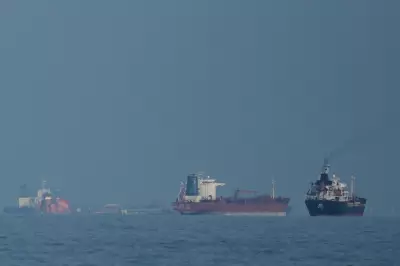
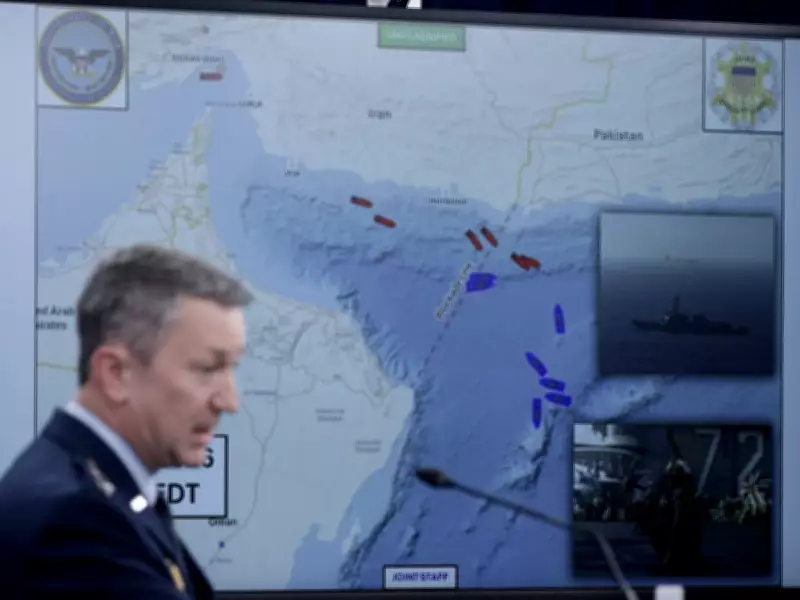
Global oil markets experienced a significant downturn on Friday, April 17, 2026, following Iran's declaration that the strategically vital Strait of Hormuz has reopened after a near-seven-week closure. This development has sparked optimism among Canadian consumers who have endured weeks of soaring fuel costs, with potential relief at the gas pump now appearing on the horizon.
Diplomatic Announcements and Market Reactions
The reopening was jointly announced by Iran's foreign minister and U.S. President Donald Trump, marking a pivotal moment in the ongoing conflict between the two nations. The strait's closure had previously driven global oil prices to alarming heights, creating widespread economic strain. However, President Trump emphasized on his social media platform that the United States blockade of Iranian ships would persist "UNTIL SUCH TIME AS OUR TRANSACTION WITH IRAN IS 100% COMPLETE," a process he described as potentially rapid.
In response to the news, North American oil prices tumbled dramatically, shedding as much as US$13 per barrel during trading. Despite this sharp decline, prices remained elevated at approximately US$84 per barrel midday, still substantially higher than pre-conflict levels. This sell-off represents a crucial opportunity for Canadians who have faced difficult financial choices due to prolonged high gasoline prices.

Analyst Caution and Market Uncertainty
Despite the positive headlines, energy analysts are urging caution, highlighting that the road ahead remains fraught with uncertainty. Sarah Emerson, president of ESAI Energy, LLC in Boston, characterized the price drop as largely speculative, noting that it may not accurately reflect the actual volume of oil returning to global markets. "I don't mean to disparage the president, but when he says something, it's not necessarily detailed," Emerson remarked. "Sometimes it's sweeping and grand, and then when reality comes, we find out that it's maybe a little bit less sweeping and grand."
Suzanne Gray, an analyst with Kalibrate, echoed these concerns, questioning whether market movements were driven by genuine fundamentals or merely optimistic news. "I don't know how much of this is actually markets reacting to good news, or if it's based on fundamentals, like, is traffic actually going through the strait?" Gray posed. She predicted continued volatility in the coming weeks as the situation develops.
Long-Term Challenges and Supply Chain Complexities
Even if the fragile ceasefire between Iran and the U.S. holds and leads to a lasting peace agreement, analysts warn that oil prices could remain elevated for an extended period. The market must now contend with a nearly seven-week shortfall in oil supplies that typically transit the Strait of Hormuz. This deficit has depleted global storage levels and forced several Asian nations to implement fuel rationing measures.
Gray further explained that multiple countries that released oil from their strategic reserves during the crisis will need to replenish those stocks, a process that will take considerable time. Additionally, repairing damaged infrastructure such as refineries will further delay the normalization of supply chains. "It will take months for new oil shipments leaving the strait to reach their destinations," she noted, emphasizing that consumers should not expect immediate, dramatic price drops at the pump.
The reopening of the Strait of Hormuz represents a critical step toward stabilizing global energy markets, but the path to sustained relief for Canadian drivers remains complex and uncertain. Market watchers will be closely monitoring shipping traffic through the strait and diplomatic developments between the U.S. and Iran in the coming weeks.