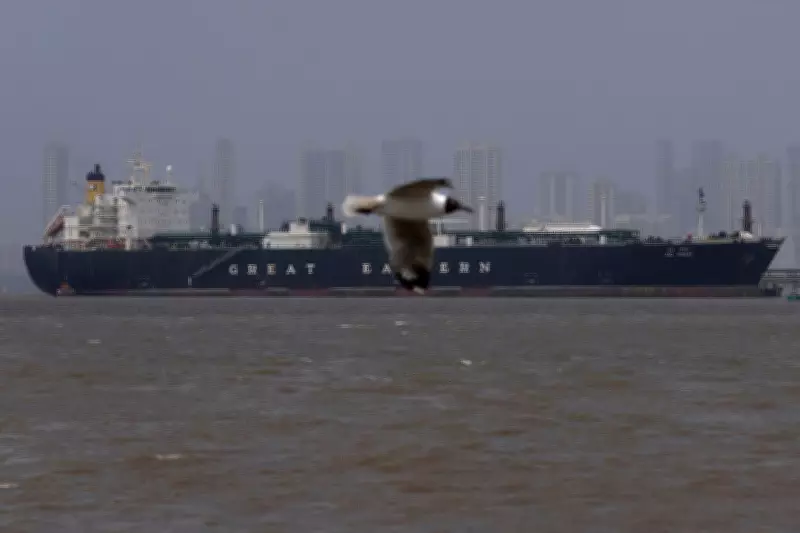
Shippers Seek Clarity on Hormuz Reopening After U.S.-Iran Ceasefire Deal
Global shipping companies are urgently seeking clarity on the reopening of the Strait of Hormuz, a critical maritime chokepoint, following a recent ceasefire agreement between the United States and Iran. The deal, announced in early April 2026, has raised hopes for resumed safe passage through the strait, which handles about one-fifth of the world's oil shipments. However, shippers remain cautious, awaiting official confirmation and operational details from authorities.
Impact on Global Trade and Energy Markets
The closure or disruption of the Strait of Hormuz has significant implications for international trade and energy markets. In recent weeks, shipping lanes have been affected, leading to delays and increased costs for carriers transporting liquefied petroleum gas (LPG), crude oil, and other commodities. For instance, the Indian-flagged LPG carrier Jag Vasant recently navigated the strait under heightened security, highlighting the ongoing risks. Analysts note that prolonged uncertainty could further strain supply chains and contribute to volatility in oil prices.
Key concerns among shippers include:

- Safety protocols for vessels transiting the strait post-ceasefire.
- Potential lingering military presence or inspections that might slow operations.
- The need for clear communication from governments and maritime agencies to avoid confusion.
Broader Economic and Political Context
The U.S.-Iran ceasefire marks a pivotal shift in geopolitical tensions that have previously led to conflicts in the region. This development comes amid broader economic challenges, such as fluctuating fuel costs and trade disruptions. For example, in Canada, gas prices have seen recent drops, but global events like those in the Hormuz Strait could reverse such trends. Additionally, industries reliant on stable shipping routes, from manufacturing to retail, are monitoring the situation closely to mitigate impacts on logistics and inventory.
In related news, other global events underscore the interconnectedness of trade and politics. For instance, Taiwan's opposition leader has embarked on a peace mission to China, while in Canada, political debates continue over issues like housing and healthcare. However, the focus for many in the shipping sector remains squarely on the Hormuz Strait, as its reopening could alleviate pressures on global supply chains and support economic recovery efforts.
As shippers await further details, they are advising clients to prepare for potential delays and consider alternative routes if necessary. The coming weeks will be crucial in determining whether the ceasefire translates into tangible improvements for maritime trade through this vital waterway.