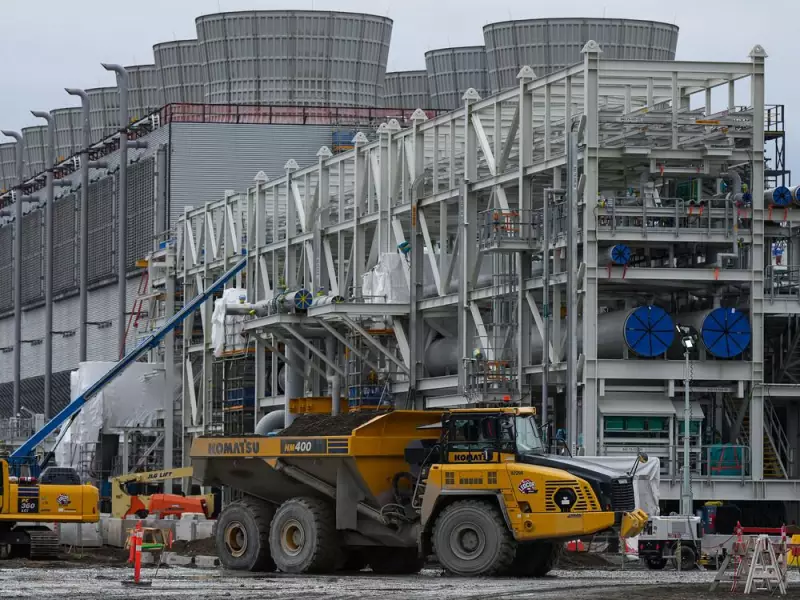
Analysts Counter Exit Speculation for Major LNG Project
Recent reports suggesting that Shell Plc and Mitsubishi Corp. might be considering an exit from the LNG Canada terminal in Kitimat, British Columbia, are likely misinterpreted, according to industry analysts. Instead, these discussions could signal strategic preparations for the project's expansion rather than a withdrawal.
Reuters Report Sparks Industry Speculation
Earlier this month, Reuters reported that the energy partners were exploring options to sell portions of their stakes in the massive liquefied natural gas facility. Shell, which holds a commanding 40 percent stake in LNG Canada, is reportedly looking to sell up to three-quarters of its holding. Mitsubishi currently maintains a 15 percent interest in the venture.
The remaining equity in the project is distributed among Petronas, MidOcean Energy, PetroChina, and Korea Gas Corp. Both Shell and Mitsubishi have declined to comment on the Reuters report, leaving industry observers to interpret the implications.

Expansion Financing Versus Exit Strategy
Several analysts and energy experts have cautioned against reading the stake-sale discussions as a loss of confidence in the project. Instead, they suggest these moves appear aimed at unlocking value, limiting financial risk, or potentially bringing in new partners with fresh capital to fund a second phase of development.
"It's these project financing deals that often, at the outset, look like a sell-down or an equity sale. Really, it's just a structured financing," noted one executive from a major Western Canadian oil and gas producer who requested anonymity due to lack of authorization to speak publicly.
The executive emphasized that in preparation for Phase 2, companies are ensuring they have adequate funding mechanisms at the partnership level without necessarily selling out of the project entirely.
Historical Precedent and Strategic Importance
Industry observers are drawing parallels to Petronas's move in September, when the Malaysian energy company sold a portion of its stake in LNG Canada to privately-held MidOcean Energy. Initially interpreted by many as Petronas stepping back from Canada, that transaction ultimately brought MidOcean in as a financial partner while Petronas retained operational control and continued to own and market the project's LNG cargoes.
Analysts covering Shell have highlighted the strategic importance of the liquefied natural gas business and LNG Canada specifically to the company's portfolio, suggesting it would be unlikely for Shell to seek a complete exit from its Canadian investment.
Critical Moment for Canada's LNG Industry
The speculation comes at a sensitive juncture for Canada's emerging liquefied natural gas sector, as investors and policymakers closely monitor whether the country can attract sufficient capital for a second phase of development. The LNG Canada project represents a significant component of Canada's energy export strategy and economic development in British Columbia.
While some initially speculated that the partners might have concerns about the project's economics or global oversupply risks, the prevailing analyst view suggests these discussions are more likely about strategic financial structuring than fundamental doubts about the project's viability.
The developments underscore the complex financial arrangements that characterize major energy infrastructure projects, where equity adjustments often serve multiple purposes beyond simple exit strategies.