Saskatchewan's Energy Crossroads: A $90 Billion Dilemma and Untapped Alternatives
The province of Saskatchewan stands at a critical juncture in its energy planning, with projections indicating a need for several thousand megawatts of electricity by the 2040s. The financial burden of achieving this could reach an astonishing $90 billion, raising urgent questions about the feasibility and sustainability of current strategies.
Abandoned Plans and Shifting Strategies
In June 2025, the Saskatchewan government issued a press release directed at SaskPower employees, announcing the abandonment of two years of consultation on the province's energy future. This move signaled a dramatic shift in policy, replacing earlier plans with a new approach focused on extending the life of coal-fired power stations.
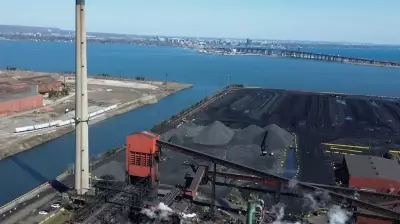
The revised strategy aims to operate SaskPower's coal-fired facilities, which have a capacity of 1,500 megawatts (MW), well into the 2040s. This decision is underpinned by a hopeful assumption that nuclear power stations will emerge in that decade to provide hydrocarbon-free electricity by 2050. However, this reliance on future nuclear development introduces significant uncertainty into the province's energy roadmap.

Escalating Costs and Regulatory Challenges
Early in 2026, the Saskatchewan Rate Review Panel released a comprehensive report detailing the province's power future, revealing startling cost increases. The expense of refurbishing SaskPower's fleet of coal-fired power stations has skyrocketed from an initial forecast of $900 million in 2025 to a staggering $2.629 billion. Additionally, annual fuel costs to operate these stations are estimated at $310 million, totaling approximately $4.6 billion over the next 15 years.
Compounding these financial concerns, the government's plan shows no maintenance expenditures for these aging power stations beyond 2035. Moreover, Saskatchewan is the only province contemplating the operation of coal-fired power stations into the 2030s, a move that defies federal law and would violate the Clean Electricity Regulations set to take effect in 2035.
Exploring Viable Alternatives
While the provincial government has compared the costs of gas-fired power stations to coal refurbishment, many other options for Saskatchewan's power future remain largely unconsidered. These alternatives offer potential for more sustainable and cost-effective solutions.
Demand-Side Management: The least expensive power available is what can be saved through demand-side management. Saskatchewan previously met a target of 150 MW and could likely achieve a 500 MW target today, reducing the need for new generation capacity.
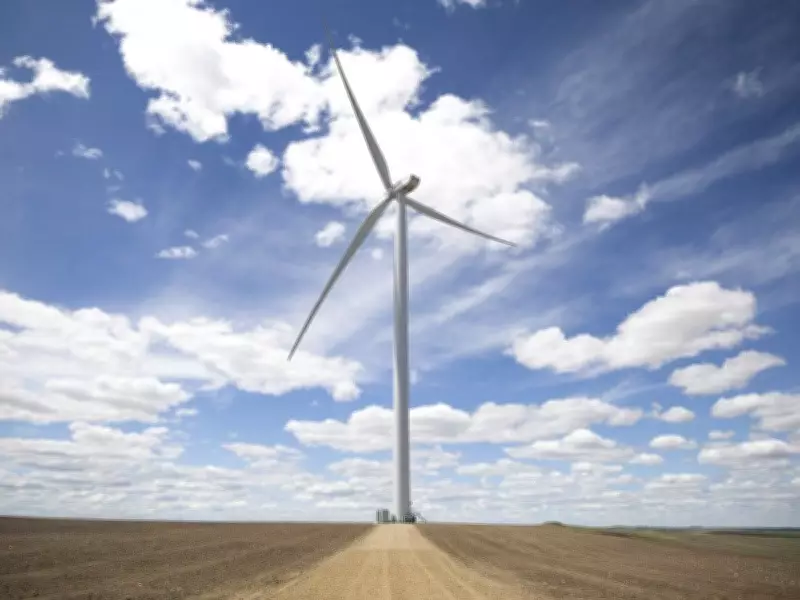
Renewable Energy Potential: Saskatchewan boasts among the best wind and solar power potential in Canada. Despite some progress on wind power, the province lags significantly in utility-scale solar installations. Strategic placement of solar facilities at locations like Estevan and Coronach could leverage existing transmission lines, providing jobs and economic benefits to these communities.
Interestingly, SaskPower is beginning to face capacity limitations during summer months when solar power is most abundant. By integrating wind and solar resources in a complementary fashion with hydro power from Lake Diefenbaker and downstream areas, the province could create a more resilient and diversified energy grid.
The Path Forward
As Saskatchewan navigates its energy future, the choices made today will have profound implications for decades to come. With costs escalating and regulatory pressures mounting, a broader consideration of alternatives—including demand-side management, wind, and solar—could offer a more pragmatic and sustainable path forward, potentially mitigating the $90 billion challenge looming on the horizon.