Saskatchewan Budget 2026-27: Energy and Mining Sectors Anticipate Growth Opportunities
The Saskatchewan Industrial and Mining Suppliers Association (SIMSA) is expressing cautious optimism as the province prepares to unveil its 2026-27 budget this Wednesday. Executive director Eric Anderson emphasized that while recent project approvals in mining and energy represent positive steps, substantial financial support from the provincial government remains crucial for these sectors to truly flourish.
Stability Required for Sector Growth
"Our sector, the suppliers, make our income from resource projects going ahead," Anderson explained to the Regina Leader-Post. "They're being built or maintained. For those investments to happen in those sectors, they require stability." This sentiment underscores the importance of predictable government support for long-term planning and development in Saskatchewan's resource industries.
Critical Minerals Development Accelerates
The provincial government has committed to achieving commercial production of three critical minerals by the end of 2026. Currently, several developments focusing on copper, zinc, and lithium are already in construction phases across Saskatchewan. This strategic push aligns with global demand for these essential materials used in various technologies, from electronics to renewable energy infrastructure.

Oil Production Targets Ambitious
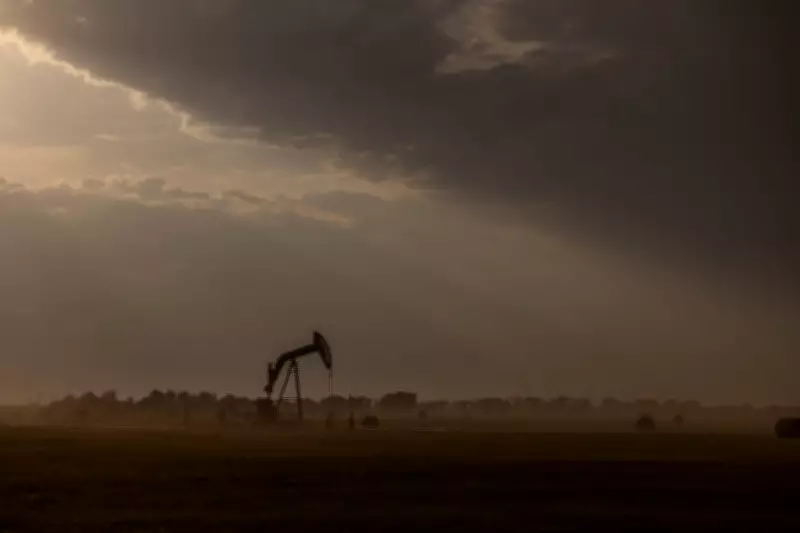
Saskatchewan has established a clear goal of increasing oil production to 600,000 barrels per day by 2030. According to data from the Ministry of Energy and Resources, average production in 2025 reached 435,000 barrels per day, indicating significant growth potential remains. Premier Scott Moe recently highlighted this expansion during his address at the Saskatchewan Association of Rural Municipalities annual convention.
"We're increasing our oil production, and we have further potential for that with the West Coast line and expansion of egress capacity there," Moe stated, referencing infrastructure improvements that could enhance export capabilities.
Global Factors Influencing Local Prospects
Geopolitical tensions have recently driven global oil prices upward, with prices spiking approximately $30 per barrel after Iran restricted access to the Strait of Hormuz on March 2 amid conflicts with the U.S. and Israel. This critical waterway typically handles one-third of the world's seaborne oil supply. As of Tuesday, West Texas Intermediate crude oil was trading at about US$95 per barrel, creating favorable conditions for Saskatchewan's energy sector expansion.
Budget Implications for Resource Industries
The upcoming budget's allocation for mining and energy sectors will significantly impact Saskatchewan's economic trajectory. Industry representatives like Anderson emphasize that without adequate financial backing, even approved projects may struggle to reach their full potential. The provincial government's dual focus on traditional energy expansion and emerging critical minerals development suggests a balanced approach to resource management.
As Saskatchewan positions itself for increased resource extraction and processing, the 2026-27 budget represents a pivotal moment for determining how effectively the province can capitalize on both its established energy infrastructure and emerging mineral opportunities. The coming days will reveal whether the government's financial commitments match its ambitious production targets and development timelines.