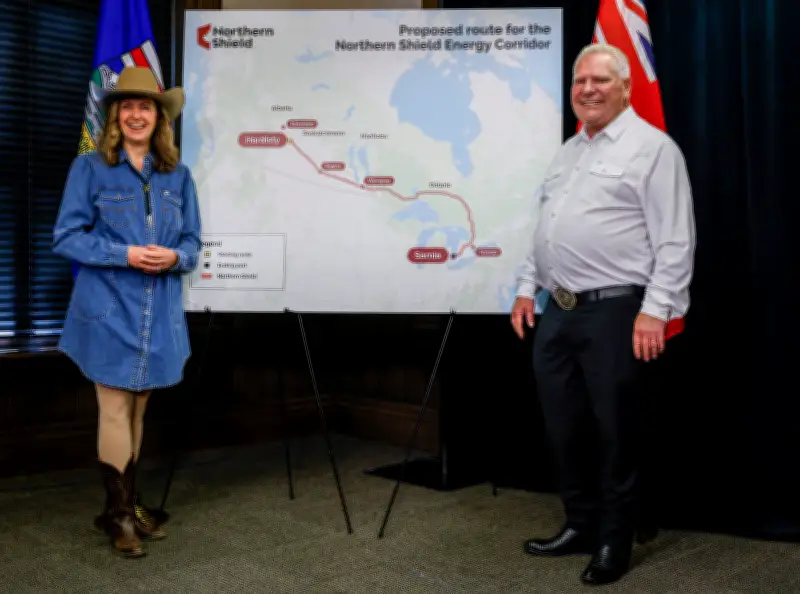
The Saskatchewan government has voiced strong support for the proposed Northern Shield pipeline, a major oil pipeline project that would transport crude from Alberta to Ontario. Officials say the pipeline will bring significant economic benefits to the province and the nation as a whole.
Pipeline Project Overview
The Northern Shield pipeline is designed to carry oil from Alberta's oil sands region to refineries and markets in Ontario. The project is expected to enhance Canada's energy infrastructure, reduce reliance on foreign oil, and create thousands of jobs during construction and operation.
Saskatchewan's Minister of Energy and Resources stated, 'This pipeline is a game-changer for our province and for Canada. It will unlock new markets, strengthen our energy security, and provide a major economic boost.' The minister emphasized that the project aligns with the province's goals of responsible resource development.

Economic and Energy Security Benefits
According to a government-commissioned report, the pipeline could generate up to $2.5 billion in annual GDP contributions and support over 15,000 jobs across Canada. Saskatchewan stands to benefit from increased tax revenues, royalties, and spin-off investments in related industries.
The pipeline is also seen as a strategic asset to diversify Canada's oil export routes, reducing dependence on the U.S. market. 'This project ensures Canadian oil reaches Canadian refineries, keeping value within our borders,' the minister added.
Environmental and Indigenous Considerations
The province acknowledges the need to address environmental concerns and Indigenous rights. The project will undergo rigorous environmental assessments and consultations with Indigenous communities. 'We are committed to responsible development that respects the land and the people,' the minister said.
However, some Indigenous leaders have criticized the pipeline, calling it an 'assault on treaties.' The Anishinabek Nation chief voiced opposition, arguing the project threatens traditional lands and water sources. The government says it will engage in meaningful dialogue to address these concerns.
Next Steps
The pipeline still requires regulatory approvals from federal and provincial bodies. The Saskatchewan government is urging a streamlined review process to avoid delays. 'We cannot afford to let this opportunity slip away,' the minister concluded.