Quebec to Eliminate Sales Tax on Healthy Convenience Foods
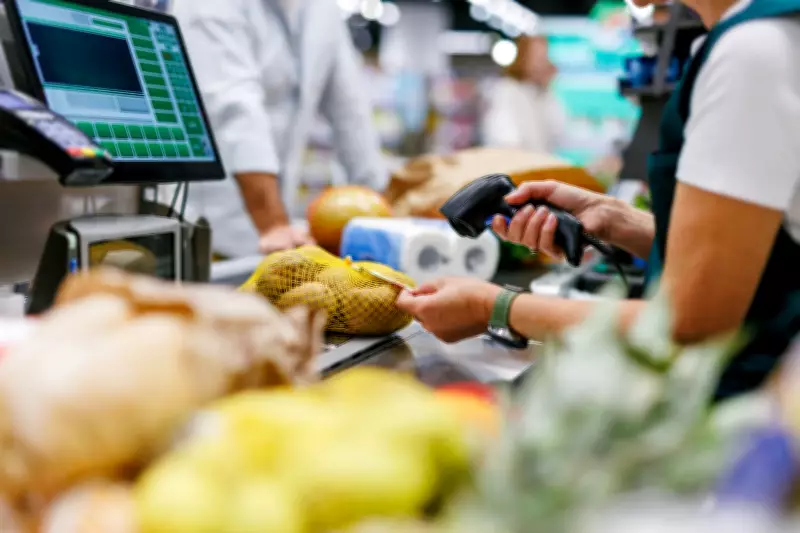
Quebec is poised to become the second province in Canada to eliminate provincial sales taxes on food-related items, following Manitoba's recent move. However, Quebec is taking a broader and more pragmatic approach by extending relief to healthier ready-to-eat products and convenience foods. This distinction matters, as public policy often assumes only "junk food" is taxed, while many prepared and nutritious options remain subject to provincial sales taxes simply because they are convenient.
The new measure, expected to cost more than $100 million annually, acknowledges an important reality of modern food consumption: convenience is no longer a luxury but a necessity for many Canadians. The average household is expected to save roughly $50 annually. Critics argue the savings are insignificant from a macroeconomic standpoint, but food taxation has always been about more than arithmetic. Retail taxes disproportionately penalize seniors on fixed incomes, individuals living alone, and consumers who cannot cook regularly or choose not to.
Preparing meals for one person every day is neither economical nor motivating. Ready-to-eat meals reduce food waste and improve accessibility. Tax systems that penalize convenience foods often fail to recognize these demographic and behavioural realities. The broader assumption that taxes significantly discourage unhealthy consumption is also less convincing than many policymakers suggest.

Newfoundland and Labrador's Sugar Tax Repeal
Newfoundland and Labrador offered a compelling case study. Its sugar tax, introduced to reduce sugary drink consumption, was eventually repealed after consumers and policymakers viewed it as ineffective during a worsening affordability crisis. While research indicated the tax modestly reduced purchases of sugary beverages, the behavioural impact remained limited. Many consumers shifted toward other untaxed sugary products. The measure became politically difficult to defend as inflation accelerated and household budgets tightened. The Newfoundland experience reinforced a basic principle: consumers adapt by trading down, switching categories, or altering shopping habits when prices rise.
Mexico's Sugary Drink Tax Lessons
Mexico's sugary drink tax, introduced in 2014, remains one of the most analyzed food taxation experiments. The country imposed a one-peso-per-litre levy on sugar-sweetened beverages to combat obesity and diabetes. Early evidence suggested purchases of taxed beverages declined between 6% and 10% during the first years, with the largest reductions among lower-income households. Public-health advocates celebrated the policy as a success, as bottled water purchases increased and consumer awareness improved. However, Mexico also exposed the limitations of taxation as a long-term nutrition strategy. While soda sales declined, many consumers substituted toward untaxed juices, snacks, or other calorie-dense alternatives. Overall sugar consumption may not have declined dramatically. Economists argue that consumers rarely eliminate consumption entirely; they adapt. Meaningful public-health outcomes require broader interventions, including education, reformulation, clearer labelling, and improved access to healthier alternatives.
Worse, the sugary drink tax in Mexico did not produce a dramatic nationwide decline in diabetes rates in 11 years.
The Problem with Food Taxes
Taxing food remains deeply problematic from both economic and ethical standpoints. Food is not tobacco or alcohol; it is a necessity of life. Governments should not penalize consumers based on where food is purchased, how it is prepared, or whether convenience plays a role. Provinces should move toward eliminating sales taxes on all food products. Unfortunately, provinces operating under harmonized sales tax systems, such as Ontario and the Atlantic provinces, face a more complicated reality. Ottawa is unlikely to relinquish the substantial revenue generated through the GST, which remains the real obstacle to meaningful food tax reform in Canada.
Charlebois is director of the Agri-Food Analytics Lab at Dalhousie University, co-host of The Food Professor Podcast, and visiting scholar at McGill University.