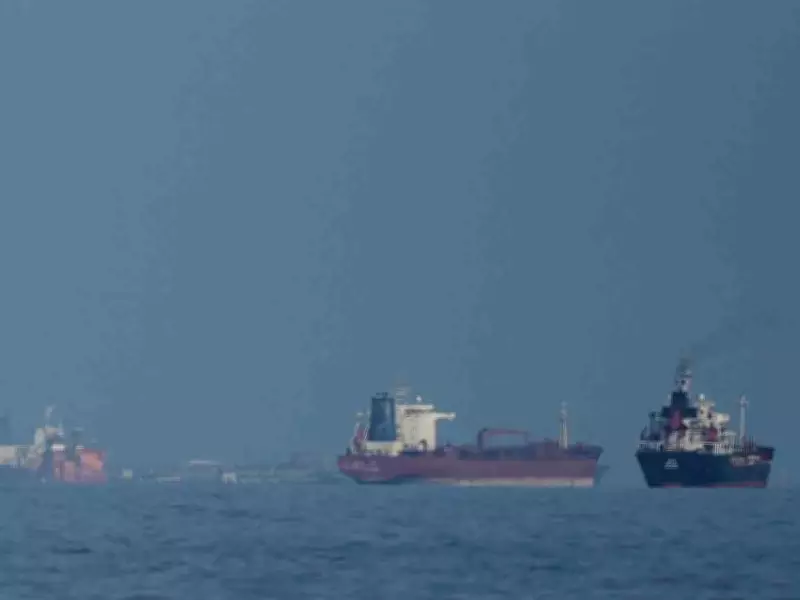
In a significant development impacting global energy markets, two liquefied natural gas (LNG) tankers from Qatar have reversed course after attempting to exit the Persian Gulf through the Strait of Hormuz. This move delays what would have been the first exports to buyers outside the Middle East since the onset of recent hostilities, underscoring the ongoing disruptions in a critical maritime chokepoint.
Vessel Movements and Tracking Data
According to ship-tracking data compiled by Bloomberg, the vessels Al Daayen and Rasheeda, which loaded LNG from Qatar's export facility in late February, executed a U-turn away from the strait. They had previously been heading eastward toward the waterway near Oman. The Al Daayen continues to signal China, Qatar's largest LNG buyer, as its next destination, but such indications are not final and can change at any time.
Impact on Global LNG Supply
The effective closure of the Strait of Hormuz, a key waterway near Iran and the Arabian Peninsula, has severely choked off energy flows to international markets. This disruption affects approximately one-fifth of the world's LNG supply, highlighting the strategic importance of this route. Notably, no loaded LNG tanker has passed through Hormuz since the United States and Israel initiated strikes on Iran in late February, though an empty tanker traversed the strait over the weekend.

Qatar's Export Challenges and Regional Dynamics
Qatar, which supplied nearly 20% of global LNG last year, faces significant hurdles due to the shutdown of its Ras Laffan export plant for over a month following Iranian attacks. Transit through Hormuz would provide a crucial boost, enabling the country to dispatch more shipments already loaded and waiting within the Persian Gulf or to offload fuel from storage. However, Iran has restricted passage through the waterway since the strikes began, permitting only its own vessels or those it approves, with no known Qatar-linked energy ships having made the crossing.
Management and Operational Details
Seapeak manages the Al Daayen, while Nakilat owns the Rasheeda, according to the ship database Equasis. Neither company responded immediately to requests for comment, nor did QatarEnergy, which operates the Ras Laffan facility. Tracking vessel movements in the Persian Gulf remains challenging due to potential electronic interference with ship signals and the intentional disabling of transponders by pilots navigating risky zones.
Broader Implications and Regional Exports
Despite the setbacks, Qatar has managed to deliver two LNG shipments to Kuwait in recent weeks, as per data from Kpler. These supplies likely originated from Qatar's storage tanks and did not require traversing Hormuz. In a related development, Tehran has recently allowed vessels from countries perceived as close to the U.S., such as France and Japan, to pass through the strait, indicating selective access amid the ongoing tensions.
This situation underscores the fragility of global energy supply chains and the geopolitical risks associated with key maritime routes, with potential long-term effects on markets and international trade.