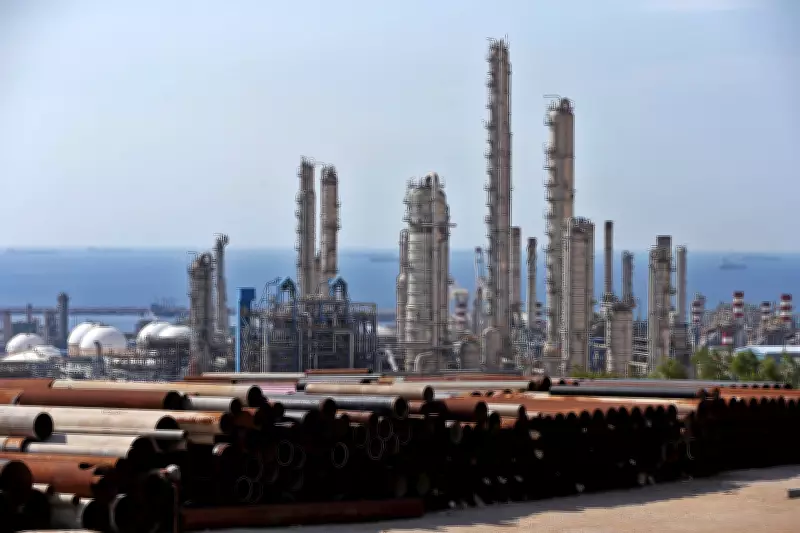
Qatar Formally Accuses Israel of Attacking Shared Natural Gas Infrastructure with Iran
In a significant escalation of regional tensions, Qatar has publicly blamed Israel for a military strike on a natural gas field that it jointly operates with Iran. The accusation comes amid ongoing conflict in the Middle East, with Qatar alleging that Israeli forces targeted the shared energy asset, which is critical for both nations' economies.
Details of the Alleged Attack and Regional Implications
The natural gas field, located in a geopolitically sensitive area, has been a point of cooperation between Qatar and Iran despite broader regional disputes. Qatar's statement asserts that the attack was deliberate and part of Israel's latest offensive actions in the region. This incident threatens to further destabilize an already volatile situation, potentially impacting global energy markets and diplomatic relations.
Israel has not yet issued an official response to Qatar's allegations, but previous statements from Israeli officials have emphasized defensive measures against perceived threats. The timing of this accusation coincides with reports of other regional developments, including the killing of Iran's intelligence minister, which Israel has claimed responsibility for in its ongoing operations.

Broader Context of the Middle East Conflict
This event unfolds against a backdrop of heightened military activity and political maneuvering in the Middle East. Recent weeks have seen increased hostilities, with various nations involved in proxy conflicts and direct engagements. The attack on the gas field underscores how energy resources are becoming focal points in the strife, with nations leveraging economic assets in geopolitical struggles.
Analysts warn that such incidents could lead to broader economic repercussions, given the importance of natural gas exports from the region. Qatar, as a major liquefied natural gas (LNG) exporter, and Iran, with substantial gas reserves, both rely on these fields for revenue and energy security. Any disruption could affect global supply chains and energy prices.
International Reactions and Future Outlook
International observers are closely monitoring the situation, with concerns about potential escalation into a wider conflict. The United States and other global powers have urged restraint, but diplomatic efforts face challenges amid entrenched positions. Qatar's accusation adds a new layer of complexity to peace negotiations and regional alliances.
As investigations into the attack proceed, the focus will be on verifying claims and assessing damage. The outcome could influence future energy partnerships and military strategies in the Middle East, with long-term implications for stability and cooperation in the region.