The recent memorandum of understanding (MOU) between Prime Minister Mark Carney and Alberta Premier Danielle Smith has ignited a fierce debate, with some observers labeling it a strategic masterstroke and others decrying it as a profound betrayal.
A History of Costly Bargains
To grasp the significance of this new agreement, one must look back to the last major federal-provincial pipeline pact. In 2018, the federal government purchased the existing Trans Mountain pipeline and its expansion plans from Kinder Morgan for $4.5 billion to secure Alberta's support for a national climate strategy.
That deal has since ballooned in cost, with Canadians now liable for pipeline-related loans totalling a staggering $36 billion. Former Finance Minister Bill Morneau has even conceded that the government was effectively "gamed" in those negotiations.

The New Deal: Concession Over Compromise
Now, just seven years later, the Carney administration appears to be repeating history. Critics argue the new MOU represents a grand concession rather than a balanced bargain. In an effort to appease Premier Smith and her political base—which includes elements flirting with separatist sentiments—the federal government is effectively surrendering the policy gains from the previous agreement.
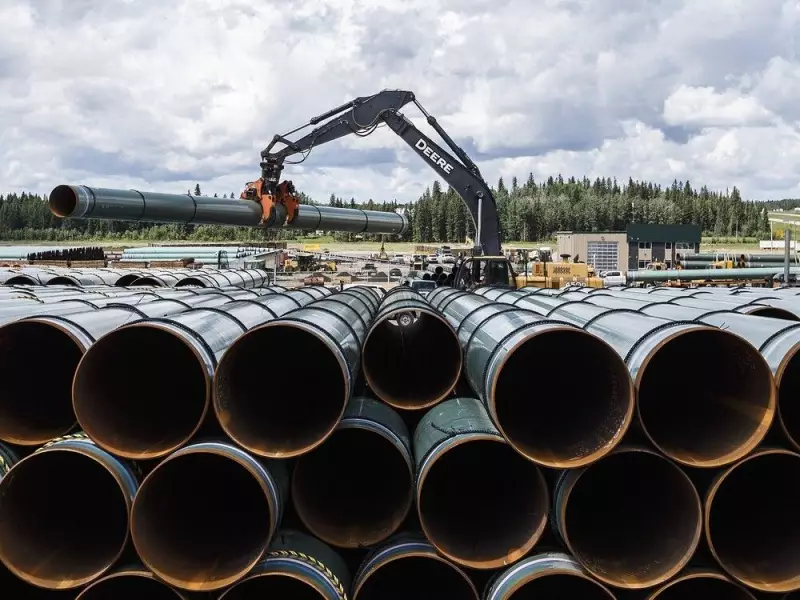
Despite the disastrous financial experience with Trans Mountain, the deal paves the way for a new oil pipeline to the British Columbia coast. While Ottawa may not buy this pipeline outright, its commitment to facilitating Alberta's pursuit of the project demonstrates a worrying short-term memory in the capital.
Questionable Economics and Stiff Opposition
The fundamental rationale for another west-coast oil pipeline is deeply flawed, according to analysts. The market shows no appetite to finance such a project, and the economic case is virtually nonexistent; it could even worsen conditions for the energy sector.
Substantial hurdles remain, including:
- Staunch opposition from many First Nations, who previously defeated Enbridge's Northern Gateway proposal.
- Strong political incentives for B.C. Premier David Eby to fight the project relentlessly.
- The likelihood that advancement would require massive public subsidization and the overriding of Indigenous rights.
This revival of a long-dormant pipeline concept is seen as a dangerous distraction that fails to address the oil sector's core structural issues: job losses, slower growth, a looming global supply glut, and the ballooning costs of orphaned wells.
Political and Climate Consequences
While the deal is a clear win for Premier Danielle Smith—even though it was booed by some at her own party's convention—the broader implications are severe. The MOU is viewed by many as the death knell for Canada's national climate policy.
Nearly every component of the previous government's climate plan has now been abandoned or undermined, replaced by a vague "trust me" approach. This represents a stark reversal from the mandates on climate action that elected four consecutive federal governments.
In the end, the Carney-Smith agreement appears less a visionary economic strategy and more a costly political concession, one that risks repeating past mistakes while abandoning future environmental commitments.