

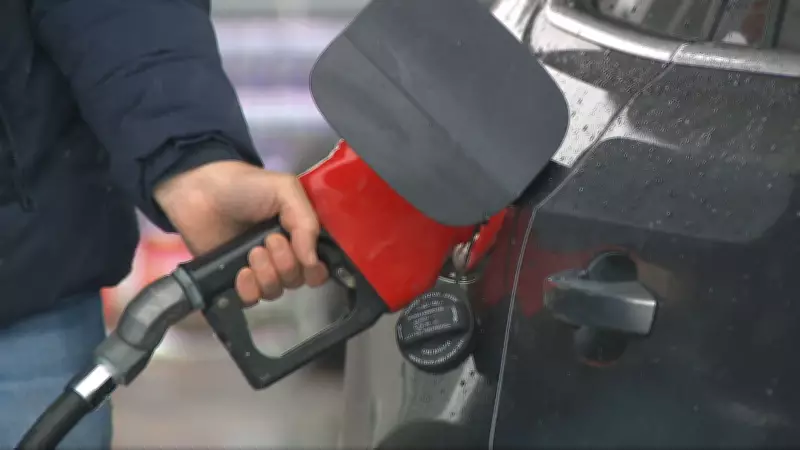
Prince Edward Island has reached a significant milestone as gas prices now stand at $2 per litre. This increase, reported on May 5, 2026, has sparked discussions among residents and economists about the factors driving the surge and its implications for the local economy.
Reasons Behind the Price Hike
Several factors have contributed to the rise in fuel costs. Global crude oil prices remain volatile due to geopolitical tensions and supply chain disruptions. Additionally, carbon taxes and provincial fuel taxes have added to the burden at the pumps. The island's reliance on imported fuel also plays a role, as transportation costs are passed on to consumers.
Impact on Residents and Businesses
For many Islanders, the higher prices mean increased expenses for commuting, heating, and goods transportation. Small businesses, particularly those in logistics and delivery services, are feeling the pinch. Some are considering adjusting their pricing or seeking alternative energy sources to mitigate costs.

Local resident Mary Smith shared her concerns: "I've had to cut back on driving and look for more fuel-efficient options. It's becoming a real strain on our household budget."
Government Response
The provincial government has acknowledged the issue but has not announced immediate relief measures. Officials suggest that long-term solutions may involve investing in renewable energy and improving public transit infrastructure. Meanwhile, some opposition members are calling for a temporary suspension of the provincial gas tax.
Looking Ahead
Experts predict that gas prices may remain high in the near term, with potential fluctuations based on global events. Islanders are advised to monitor fuel consumption and explore alternatives such as carpooling, electric vehicles, or cycling. The situation highlights the broader challenge of balancing environmental goals with economic realities.






