Ottawa-Alberta Energy Agreement Inadequate for Global Competition
In the wake of political changes in Venezuela, the recent memorandum of understanding between the federal government and Alberta has been presented as a protective measure for Canada's energy sector. However, this agreement falls significantly short of what is needed to maintain Canada's competitive position in global oil and gas markets, particularly with the potential re-emergence of Venezuela as a major energy player.
Venezuela's Resurgence Threatens Canadian Energy Exports
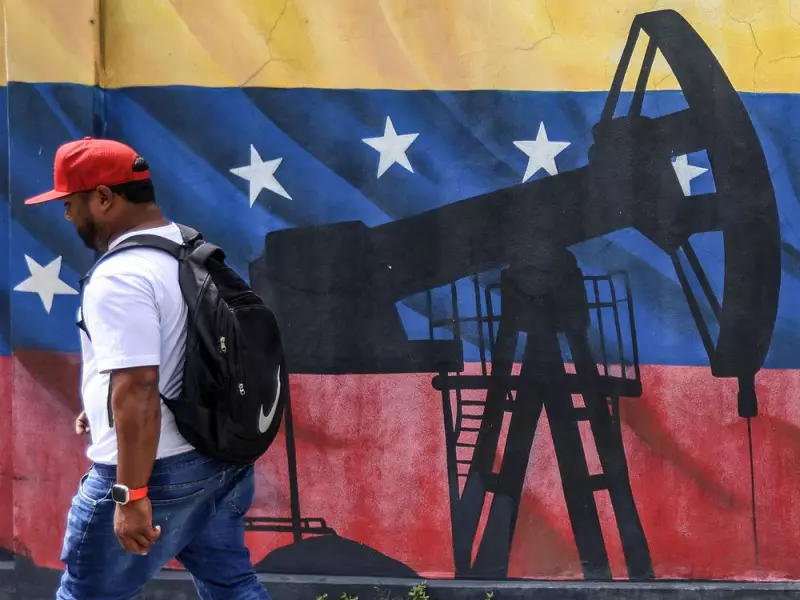
Following the removal of Nicolás Maduro from Venezuela's presidency, the Trump administration has actively encouraged oil company executives to invest in revitalizing that country's petroleum production. This development poses a substantial threat to Canada's energy sector, which currently relies overwhelmingly on the United States market. In 2024, more than 95 percent of Canadian oil and natural gas exports were directed south of the border.
Venezuela possesses enormous proven reserves of both natural gas and oil, with petroleum holdings that potentially rival the combined reserves of Canada, the United States, and Mexico. At its production peak in 1998, Venezuela served as the largest foreign supplier of oil to the United States. As Venezuela's production collapsed under its socialist regime, Canada gradually assumed the position of America's top foreign oil supplier. A significant revival of Venezuelan production could jeopardize this crucial export relationship.

Memorandum of Understanding Lacks Concrete Solutions
Prime Minister Mark Carney has pointed to the federal-Alberta memorandum as evidence of Canada's preparedness for changing global energy dynamics. Yet the agreement contains more promises than substantive commitments, introducing additional uncertainty rather than providing clear solutions. The memorandum fails to eliminate numerous barriers that continue to hinder investment in Canada's energy infrastructure.
One critical example involves pipeline development. The Alberta government seeks to construct a new oil pipeline from the oilsands to British Columbia's coast, which would enable increased exports to Asian markets and reduce dependence on the United States. However, the memorandum offers no guarantee of federal approval for such a project. Instead, it establishes a committee to determine conditions Alberta must satisfy before submitting a pipeline application to the government's Major Projects Office. This approach adds bureaucratic complexity rather than creating a clear pathway for project approval.
Persistent Regulatory Barriers Continue to Hamper Investment
Beyond the memorandum's limitations, existing regulatory burdens continue to discourage investment in Canadian energy infrastructure. Federal legislation such as Bill C-48 prohibits large oil tankers from docking at ports along British Columbia's northwest coast, effectively undermining the economic rationale for a Pacific-bound pipeline. Notably, this legislation does not restrict tanker traffic to and from American terminals in Alaska, meaning it disadvantages Canadian energy producers without affecting their American counterparts.
The combination of these factors creates an environment where potential investors face uncertainty at multiple levels. While the memorandum's elimination of the special CO2 cap for oil and gas represents a positive development, this single measure cannot compensate for the broader limitations of the agreement. Canada's energy sector requires more decisive action to remain competitive in a global market where Venezuela's potential resurgence represents just one of many challenges.
As global energy dynamics continue to evolve, Canada must implement more substantial reforms to attract investment and maintain its position in international markets. The current Ottawa-Alberta memorandum, while presented as a safeguard, ultimately provides insufficient protection against emerging competitive threats.