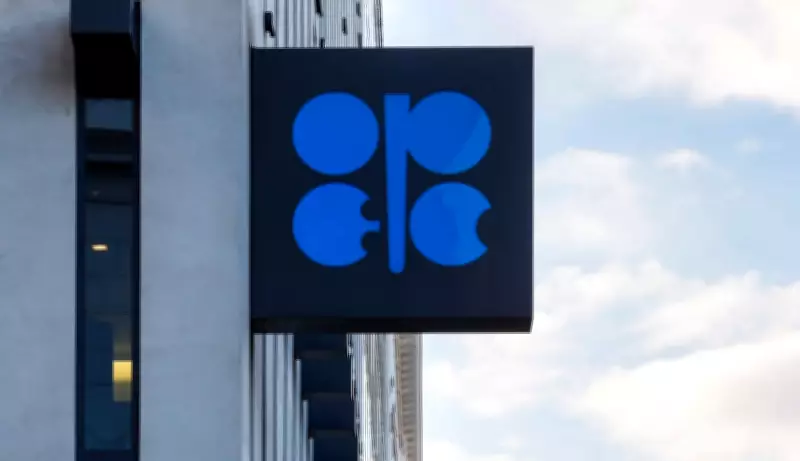
The Organization of the Petroleum Exporting Countries (OPEC) has announced a significant downward revision to its global oil demand forecast for the second quarter of 2026, attributing the adjustment primarily to the economic and logistical disruptions caused by the ongoing conflict in Iran. This move underscores the profound impact that geopolitical instability in key regions can have on worldwide energy markets and economic projections.
Revised Forecast Reflects Geopolitical Realities
In a statement released on April 13, 2026, OPEC officials detailed that the organization now anticipates lower oil consumption than previously expected during the April-June period. The revision is directly linked to the war in Iran, which has created substantial uncertainty and hampered economic activity in the region and beyond. The conflict has disrupted trade routes, increased security risks, and contributed to broader market volatility, all of which are factors that typically suppress oil demand.
Broader Implications for Global Energy Markets
This adjustment by OPEC is not merely a statistical update; it signals potential challenges for the global economy. Reduced oil demand often correlates with slower industrial output and weakened consumer confidence. Analysts note that the Iran war has exacerbated existing pressures on energy supplies, potentially leading to price fluctuations and supply chain inefficiencies. Furthermore, the situation may accelerate shifts toward alternative energy sources as nations seek to mitigate reliance on geopolitically sensitive oil-producing regions.

The timing of this forecast revision is particularly critical, as many economies are navigating post-pandemic recovery phases. OPEC's decision highlights how unforeseen geopolitical events can swiftly alter economic trajectories, forcing organizations and governments to recalibrate their strategies. The organization emphasized that it will continue to monitor the situation closely and may issue further updates as the conflict evolves.
Historical Context and Future Outlook
OPEC, headquartered in Vienna, Austria, has a long history of adjusting its forecasts in response to global events, from financial crises to regional wars. The current Iran conflict joins a list of incidents that have prompted such revisions, reflecting the interconnected nature of modern energy markets. Looking ahead, OPEC maintains that while the second-quarter outlook has been tempered, the overall annual demand growth remains positive, albeit at a moderated pace. The organization calls for increased international cooperation to stabilize the region and support energy market resilience.
In summary, OPEC's latest forecast serves as a stark reminder of the fragility of global economic systems in the face of geopolitical strife. As the Iran war continues to unfold, its ripple effects on oil demand and broader economic indicators will be closely watched by policymakers, investors, and industry leaders worldwide.