Oil prices experienced a sharp surge on Monday, with Brent futures climbing more than five percent to trade above $114 per barrel. This spike followed a significant escalation in the ongoing conflict between the United States and Iran, as critical energy infrastructure and tankers in the Middle East came under attack.
Iranian Drone Strike Hits Fujairah
An Iranian drone strike caused a fire in a key oil industrial zone in Fujairah, United Arab Emirates, marking a direct hit on a major hub for crude and fuel storage. Fujairah has gained strategic importance due to its location outside the Strait of Hormuz, a vital shipping lane for global oil supplies. The attack coincided with reports of missiles raining down on the UAE, though Tehran denied plans to target its southern neighbor.
Strait of Hormuz Tensions Intensify
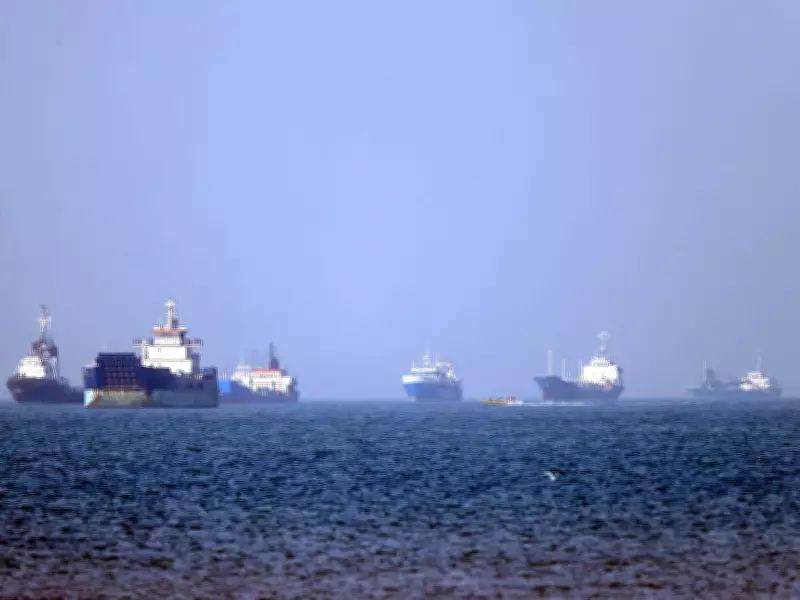
Earlier in the session, prices rallied as tankers linked to multiple nations reported coming under fire in the Strait of Hormuz. This wave of attacks represents the most notable increase in tensions since a fragile ceasefire between the U.S. and Iran was agreed upon in early April. The global market loses millions of barrels of oil supplies daily while the key shipping lane remains blocked, heightening fears of demand destruction and a potential global economic recession.

Iran redefined the “control zone” in the strait, extending from south of Mount Mobarak in Iran to south of Fujairah, according to semi-official Tasnim news agency. At least 13 ships have already diverted from the area after the report, threatening to worsen the global supply crunch.
U.S. Military Plans to Reopen Strait
The escalation came after U.S. President Donald Trump announced plans by the U.S. military to restore transit through the strategic waterway starting Monday, aiming to help stranded vessels exit the Persian Gulf. However, several shipowners and a ship manager contacted by Bloomberg said more concrete details would be needed about the ability to transit through Hormuz again, along with assurances regarding mines and safety from Iranian attacks. They requested anonymity due to the sensitivity of the issue.
“Not many believe that the Strait will reopen anytime soon,” said Arne Lohmann Rasmussen, chief analyst at A/S Global Risk Management Ltd. He noted that the U.S. plan marks the first attempt to reopen the chokepoint by military means, adding that the market will closely monitor Iran’s response.
U.S. Central Command stated that two American-flagged merchant vessels successfully navigated the strait, emphasizing that the military is actively working to restore commercial flow. However, there were five U.S.-flagged commercial vessels in the Persian Gulf at the end of February, but none have turned on their Automatic Identification System signal for weeks.
OPEC+ and Market Reactions
Over the weekend, OPEC+ agreed to a symbolic rise in June quota levels, aiming to send a business-as-usual message after the exit of the United Arab Emirates. Abu Dhabi, meanwhile, touted its own growth plans. The combined impact of the attacks and the ongoing blockade has intensified concerns over global supply stability, with Brent crude prices reflecting the heightened risk premium.