War-Induced Oil Shock to Impact Canadians for Months, Experts Warn
The ongoing conflict involving Iran has triggered a severe oil shock that will continue to affect Canadians for months, according to industry analysts. The blockade of oil shipments through the Strait of Hormuz is causing widespread disruptions, with Canadian travelers facing increased airfares and cancelled international flights as the global supply chain struggles to recover.
Travel Challenges and Rising Costs
Canadian airlines operating flights to Europe and Asia are encountering significant challenges in refueling due to shortages stemming from the war. Experts predict that even if a negotiated settlement is reached soon, the oil shortage will reverberate for months while supply chains restart and damaged infrastructure is repaired.
For Canada, the primary issue isn't supply but price. John Gradek, an aviation industry specialist and lecturer at McGill University in Montreal, reported dramatic increases in airfare. "A return trip between Montreal and Toronto has jumped from $700 to $1,000. A 45-minute flight," Gradek told National Post.

Unprecedented Price Increases
Dan McTeague, a gas prices analyst and president of Canadians for Affordable Energy, described the current situation as unprecedented. "I have never seen a month like this. Not in my time, compared to any other energy crisis we've seen in the past," McTeague stated.
The price surge reflects a massive shortfall in jet fuel availability. McTeague expressed hope for a resolution but cautioned, "I think we're a little beyond the point of no return."
Global Fuel Shortages Impacting Canadian Airlines
As fuel shortages hit airports across Europe and Asia, Canadian airlines will struggle to refuel and return aircraft. Gradek predicts increasing flight cancellations as the crisis deepens.
While Canada refines approximately 85 percent of the oil it uses through seven domestic refineries, with only about 15 percent imported from the United States, Rotterdam, and Trinidad, the global nature of the crisis means no country remains insulated.
Worldwide Supply Disruption
With twenty percent of the world's fuel supply trapped behind the Strait of Hormuz blockade, worldwide fuel shortages are already driving prices as high as $200 per barrel. This price surge will soon transition from an affordability issue to an availability problem.
"It's not what you can pay. You're not going to be able to buy," Gradek warned, emphasizing that the shortage extends beyond mere pricing concerns.
Specific Impacts on International Travel
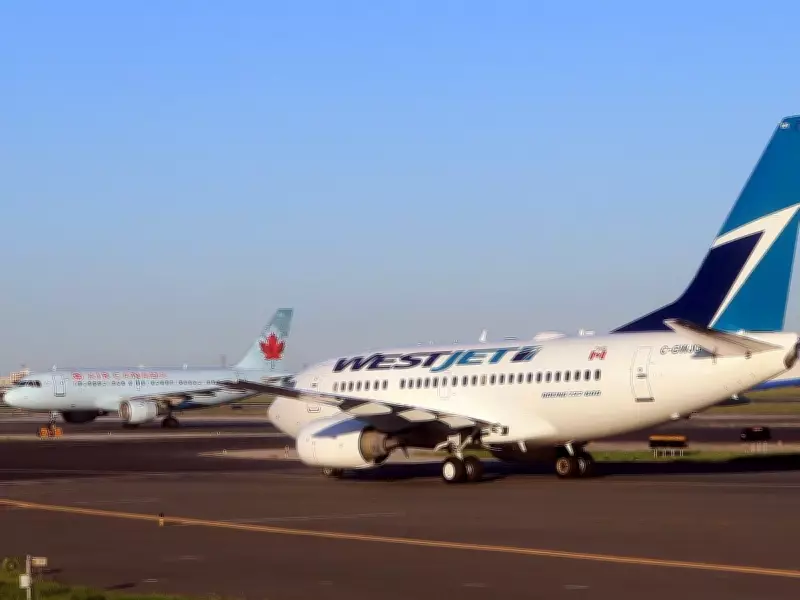
Canadian international carriers including Air Canada, WestJet, and Air Transit will face particular challenges at airports in Europe and Asia. "The availability of fuel in Europe is going to be a big issue," Gradek noted, especially for return flights.
He pointed to BP Italia in northern Italy as an early indicator, where the company has already declared a fuel shortage and informed airlines that flights under three hours from Milan will be cancelled due to insufficient fuel supplies.
Gradek predicts that major airports including London's Heathrow and Gatwick will face similar challenges in the near future. The situation has escalated to the point where international tensions have surfaced, with reports last month indicating that former U.S. President Donald Trump told European allies unsupportive of the war effort to secure their own oil supplies.
Long-Term Economic Consequences
The current energy crisis has been described as more severe than the combined impacts of the 1973, 1979, and 2022 oil crises by the International Energy Agency. With Europe reportedly weeks away from a jet-fuel shortage according to airport groups, the ripple effects will continue to impact Canadian consumers and businesses for the foreseeable future.
The oil shock from the Iran conflict represents not just a temporary inconvenience but a sustained economic challenge that will test the resilience of Canada's transportation sector and affect household budgets across the country for months to come.