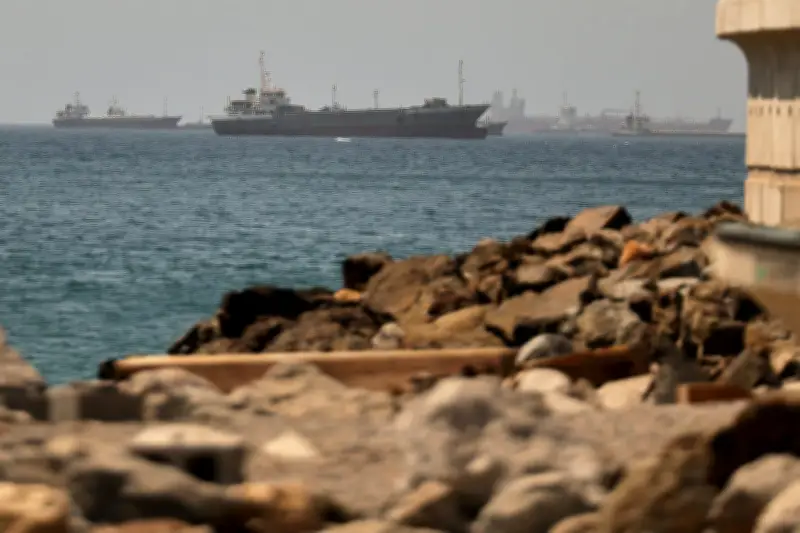
Oil shipments through the strategic Strait of Hormuz have risen in recent weeks, even as questions mount over Iran's transit terms for vessels passing through the waterway. Claudio Galimberti, chief economist and global director of market analysis at Rystad Energy, told BNN Bloomberg that the increase in shipments comes amid fluctuating oil prices and geopolitical tensions.
Market Analysis
Galimberti noted that while oil prices have seen a decline, the rise in shipments indicates ongoing demand. However, he cautioned that Iran's evolving transit policies could create uncertainty for global oil markets. The Strait of Hormuz is a critical chokepoint for about 20% of the world's oil supply, making any disruption a major concern.
Iran's Transit Terms
Reports suggest that Iran has been imposing stricter conditions on vessels, including higher fees and more rigorous inspections. These measures have sparked debate among shipping companies and oil traders, who worry about potential delays and increased costs. Some analysts believe that Iran is leveraging its geographic position to exert influence amid broader geopolitical negotiations.

Global Implications
The rise in shipments could be a double-edged sword. On one hand, it suggests that the market is adapting to new conditions. On the other, it may signal that Iran is testing the limits of its control over the waterway. The international community is watching closely, as any escalation could lead to supply disruptions and price spikes.
In related news, the U.S. has expressed concerns over Iran's actions, with officials calling for transparency and adherence to international maritime laws. Meanwhile, oil-importing nations are diversifying their supply sources to reduce dependency on the Strait of Hormuz.
As the situation evolves, stakeholders are advised to monitor developments closely and prepare for potential volatility in oil markets.