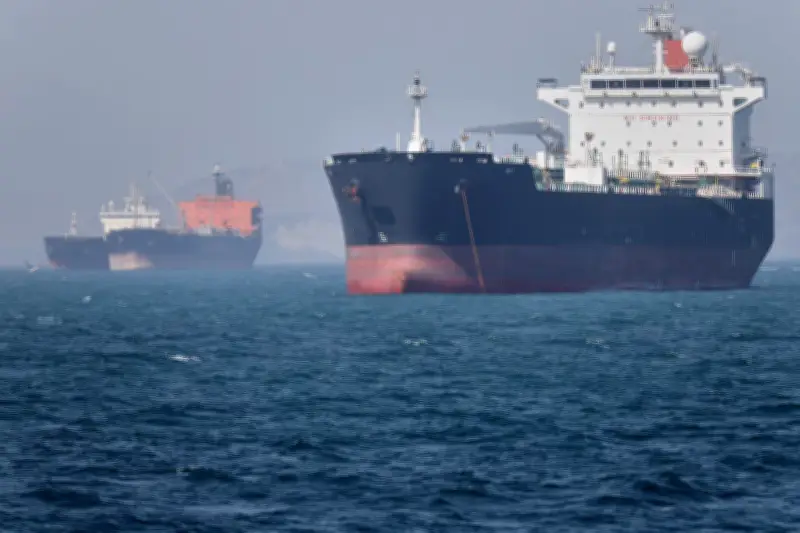
Oil prices are on track for their steepest quarterly loss since 2020, with traders closely watching ongoing negotiations between the United States and Iran that could lead to increased global supply. Brent crude, the international benchmark, has fallen more than 15% during the second quarter of 2026, reflecting market expectations of a potential easing of sanctions on Iranian oil exports.
Market Reaction to Geopolitical Developments
According to Brian Mulberry, chief market strategist at Zacks Investment Management, the prospect of a U.S.-Iran deal has been a major factor driving prices lower. "The market is pricing in a higher probability of Iranian oil returning to the market, which would add significant supply at a time when demand concerns are already weighing on prices," Mulberry said in an interview with BNN Bloomberg.
The quarterly decline marks the largest since the coronavirus pandemic crushed demand in early 2020. West Texas Intermediate (WTI) crude, the U.S. benchmark, has also suffered steep losses, falling around 14% in the same period. Analysts note that the drop reflects a combination of factors, including weakening global economic data and expectations of higher interest rates that could curb fuel consumption.

Impact of U.S.-Iran Nuclear Talks
The negotiations, which resumed in Vienna in April 2026, aim to restore the 2015 nuclear deal known as the Joint Comprehensive Plan of Action (JCPOA). A successful agreement could lead to the lifting of sanctions on Iran, allowing the country to export more oil. Iran currently has significant storage of crude and condensate that could be quickly released onto global markets.
OPEC+ producers have been gradually increasing output, but the potential addition of Iranian barrels—estimated at 1-1.5 million barrels per day—has added downward pressure. "Even the possibility of Iranian supply returning is enough to move markets," said an energy analyst at a major investment bank. "If a deal is finalized, we could see prices test lower levels."
Broader Economic Concerns
Beyond geopolitical factors, oil prices have been weighed down by concerns about global economic growth. Weak manufacturing data from China and Europe, along with persistent inflation in the United States, have raised fears of a slowdown in oil demand. The Federal Reserve's continued tightening of monetary policy has also strengthened the U.S. dollar, making dollar-denominated commodities more expensive for holders of other currencies.
"The macroeconomic picture is not supportive of higher oil prices right now," Mulberry added. "Traders are balancing supply risks against demand uncertainty, and for now, demand fears are winning."
Outlook for the Second Half of 2026
Looking ahead, analysts remain divided on the direction of oil prices. Some expect further declines if a U.S.-Iran deal is finalized and global economic weakness persists. Others argue that supply constraints, including underinvestment in new production and geopolitical tensions in other regions, could eventually push prices higher.
"We are in a wait-and-see mode," said a commodities strategist. "The next few weeks will be critical as we get more clarity on both the Iran talks and economic data. For now, the trend is clearly bearish."