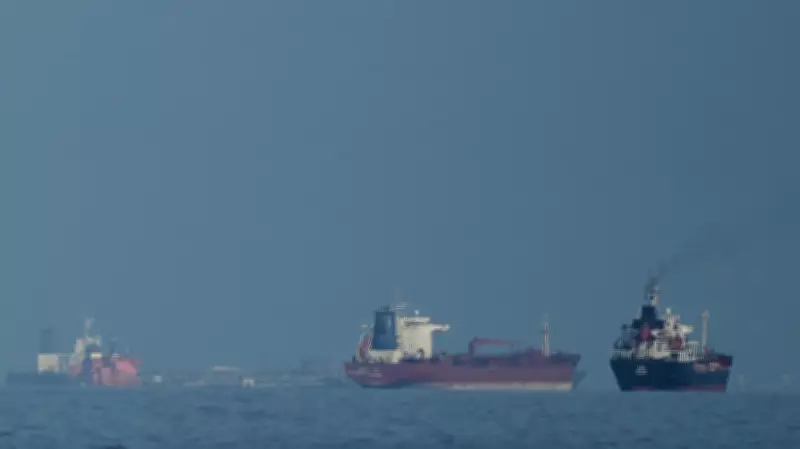
Oil prices experienced a significant surge in early market trading on Sunday following an announcement by the United States that it would implement a blockade of Iranian ports, effective Monday. This development has heightened tensions in global energy markets, particularly due to Iran's strategic control over the Strait of Hormuz, a critical maritime passage for oil shipments worldwide.
Price Movements and Market Reactions
The price of U.S. crude oil jumped by 8%, reaching $104.24 per barrel, while Brent crude oil, which serves as the international benchmark, increased by 7% to $102.29. These gains reflect immediate market concerns over potential disruptions to oil supply chains. Brent crude has exhibited extreme volatility throughout the Iran war, escalating from approximately $70 per barrel prior to the conflict in late February to peaks exceeding $119 at various points. In the lead-up to recent peace talks, Brent for June delivery had declined by 0.8% to $95.20 per barrel on Friday, highlighting the market's sensitivity to geopolitical developments.
Impact on the Strait of Hormuz
Iran has maintained effective control over the Strait of Hormuz, a narrow waterway through which around one-fifth of the world's traded oil flows daily. This region is vital for major oil exporters, including Saudi Arabia, Iraq, the United Arab Emirates, Kuwait, and Iran itself. The U.S. Central Command stated that the blockade would be enforced impartially against vessels of all nations entering or departing Iranian ports and coastal areas. However, it clarified that ships traveling between non-Iranian ports would still be permitted to transit the Strait of Hormuz, aiming to minimize broader disruptions to global trade.

Current Traffic and Ceasefire Conditions
Despite a recent ceasefire, traffic in the Strait of Hormuz has remained limited. Marine trackers report that over 40 commercial ships have crossed the strait since the ceasefire began, indicating a cautious resumption of activities. The ongoing restrictions underscore the fragile nature of regional stability and its direct influence on oil market dynamics. As geopolitical tensions persist, analysts warn that further price swings could occur, depending on the enforcement of the blockade and any subsequent diplomatic or military actions.