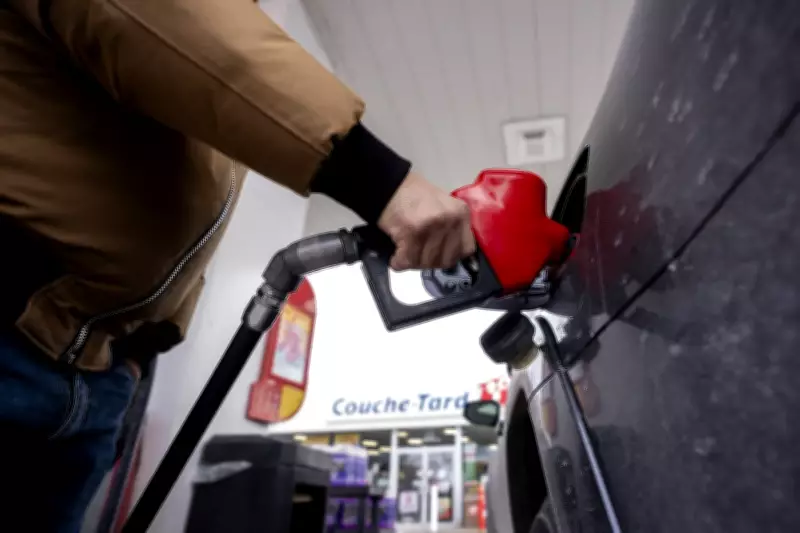
Oil Prices Plunge, But Canadian Drivers Must Wait Days for Pump Relief
Global oil markets have experienced a significant downturn, with prices dropping sharply in recent trading sessions. However, motorists across Canada should not expect immediate relief at the gasoline pumps, as industry analysts indicate a delay of several days before these wholesale reductions filter down to retail consumers.
The Market Shift and Its Causes
The sudden decline in oil prices can be attributed to a combination of factors, including increased production outputs from key petroleum-exporting nations and a temporary easing of geopolitical tensions in critical regions. This market adjustment reflects broader economic signals and shifts in global supply chains, which have created a temporary surplus in crude inventories.
Energy economists note that such fluctuations are not uncommon in the volatile petroleum sector, but the current drop is particularly pronounced, raising questions about its sustainability and long-term impact on both producers and end-users.

The Lag Effect for Canadian Consumers
Despite the favorable movement in wholesale markets, Canadian drivers will continue to pay elevated prices for gasoline and diesel for the immediate future. This delay stems from the logistical and operational realities of the fuel distribution network.
Retail gasoline prices are typically slow to adjust to wholesale changes due to several key factors:
- Existing inventory in the supply chain that was purchased at higher prices
- Contractual agreements between refineries, distributors, and retailers
- Regional market competition dynamics that influence pricing strategies
- Tax structures and regulatory frameworks that add fixed costs to each litre sold
Industry observers suggest that consumers might begin to see lower prices by the end of the week, but the exact timing and magnitude of reductions will vary by province and even by individual community.
Regional Variations and Consumer Impact
The experience of Canadian drivers will differ significantly depending on their location. Urban centers with more competitive fuel markets may see quicker adjustments, while remote and rural areas could experience longer delays before prices reflect the wholesale decline.
This pricing disparity highlights the complex nature of Canada's petroleum distribution system, which must account for vast geographical distances and varying provincial tax regimes. Consumers in provinces with higher fuel taxes will naturally see a smaller percentage reduction in their total pump price compared to those in jurisdictions with lower tax burdens.
The current situation serves as a reminder that global commodity prices represent just one component of what drivers pay at the pump, with taxes, transportation costs, and retail margins playing equally important roles in determining final consumer prices.
Looking Ahead: Market Predictions and Consumer Advice
Energy analysts are cautiously optimistic that the current price decline may be sustained through the coming weeks, potentially offering more substantial relief to consumers as inventory cycles complete their turnover. However, they warn that numerous external factors could quickly reverse this trend, including unexpected production disruptions or renewed geopolitical instability.
For Canadian drivers, the advice remains consistent: monitor local fuel prices through available tracking tools, consider consolidating trips to maximize fuel efficiency, and maintain realistic expectations about the timing of price adjustments. While the wholesale market has moved in consumers' favor, the retail response will unfold gradually over the coming days rather than immediately.