Oil Markets React to Heightened Geopolitical Tensions
Global oil markets experienced significant volatility this week as crude prices surged to a fresh four-month high. This upward movement was primarily driven by escalating geopolitical tensions in the Middle East following aggressive statements from United States President Donald Trump directed at Iran.
Trump's Warning Sparks Market Reaction
President Trump issued a stark warning to Iran through his Truth Social network, urging Tehran to negotiate a nuclear deal while threatening military action. "Hopefully Iran will quickly 'Come to the Table' and negotiate a fair and equitable deal," Trump stated, adding that "the next attack will be far worse!" than previous engagements.
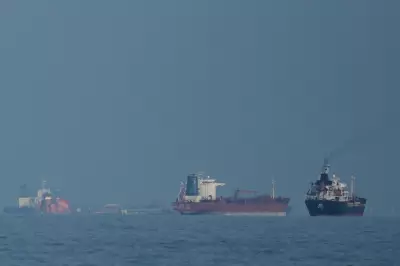
The presidential comments came alongside revelations about increased U.S. military presence in the region. Trump confirmed on Wednesday that the fleet of U.S. ships deployed to the Middle East exceeds the size of the naval force previously sent to Venezuela, where American forces were involved in the ousting of President Nicolas Maduro earlier this year.

Price Movements and Market Dynamics
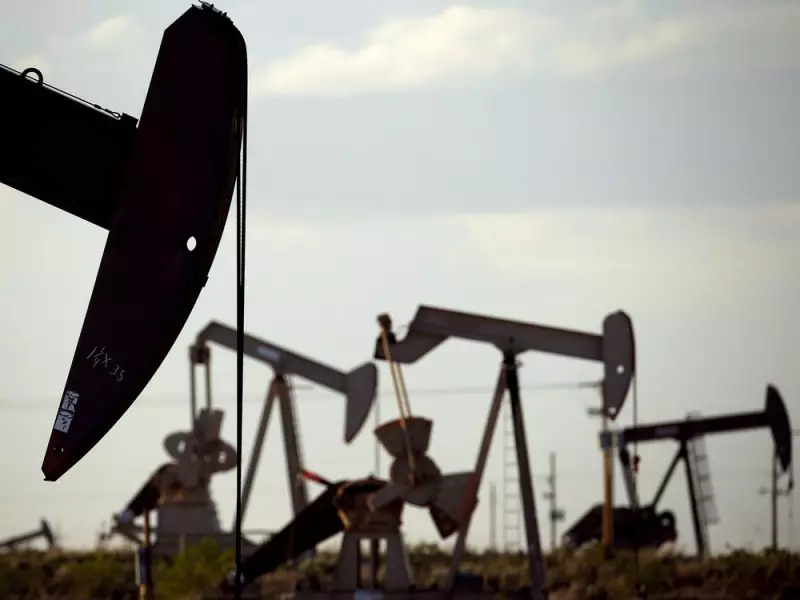
West Texas Intermediate futures reached US$63.52 per barrel following Trump's social media post, marking the highest price point since late September. This represented an extension of the 2.9 percent gain recorded in the previous trading session.
Market analysts noted that oil prices have climbed more than eight percent this month alone, defying earlier predictions of market oversupply. The potential disruption to Iranian oil exports has created a significant risk premium in global energy markets.
Standard Chartered analysts, including Emily Ashford, observed in a research note: "Market sentiment appears to be gradually turning more positive, as the bearish oversupply narrative so prevalent in the second half of 2025 weakens. We envisage an uptick in volatility and increasing focus on both supply and demand risks."
Supply Factors Supporting Higher Prices
Several fundamental factors contributed to the bullish oil market environment:
- U.S. crude inventories declined by 2.3 million barrels last week, significantly exceeding industry forecasts
- The prompt spread for major oil benchmarks widened into backwardation, indicating tighter immediate supply conditions
- Brent crude's backwardation structure exceeded US$1 on Wednesday, reflecting strong near-term demand
These supply-side developments occurred despite offsetting factors including increased gasoline stockpiles, which reached their highest levels since 2020.
Regional and International Responses
The geopolitical situation prompted reactions from multiple Middle Eastern nations:
- Iran's mission to the United Nations reiterated readiness for dialogue based on mutual respect but warned it would "defend itself and respond like never before" to U.S. aggression
- Qatari and Iranian foreign ministers emphasized continued diplomatic efforts to reduce regional tensions
- Saudi Arabia's crown prince declared that the kingdom's territory would not be used for operations against Tehran
Currency and Broader Market Impacts
The oil price rally faced some moderation as the U.S. dollar strengthened following comments from Treasury Secretary Scott Bessent, who reaffirmed America's "strong dollar" policy under the Trump administration. The currency's appreciation made dollar-denominated commodities like oil less attractive to international buyers.
Market participants continue to monitor the situation closely, with the combination of geopolitical uncertainty and shifting supply fundamentals creating an environment of increased volatility in global energy markets.