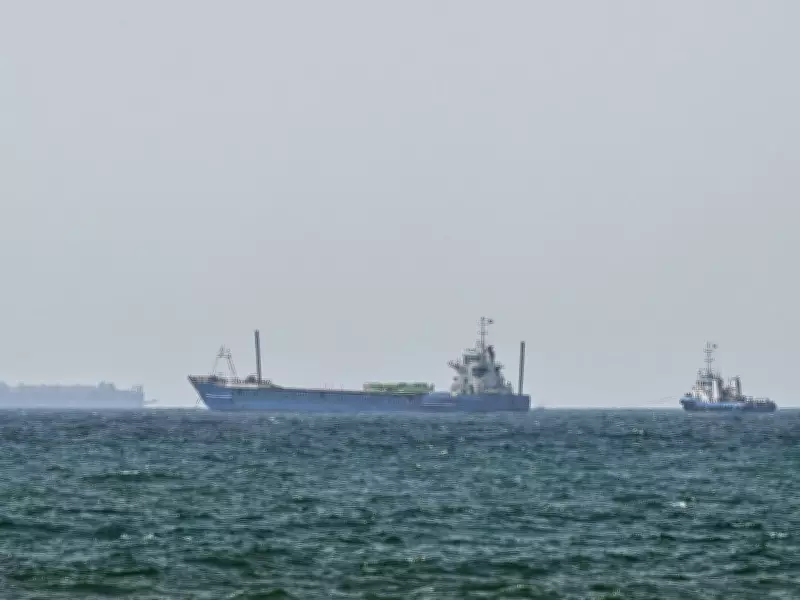
Oil prices declined sharply on Monday as senior U.S. officials provided optimistic signals regarding a potential agreement with Iran to reopen the Strait of Hormuz, a critical waterway for global energy supplies. Brent crude dropped as much as 6.2% to $97.10 per barrel, while West Texas Intermediate hovered near $91 per barrel.
Diplomatic Progress
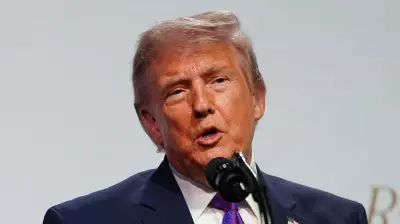
U.S. Secretary of State Marco Rubio struck a cautiously upbeat tone during a visit to New Delhi, stating that the United States was committed to giving diplomacy every opportunity. "We thought we might have some news last night," he said. "Maybe today." This follows weekend remarks from President Donald Trump, who noted on social media that negotiations were proceeding in an orderly and constructive manner, though he emphasized that Washington would not rush into a deal and that the blockade of the strait would remain until an agreement is finalized. Senior U.S. officials indicated that final approval could take several days.
Market Reaction
The potential reopening of the Strait of Hormuz, which in normal times handles about a fifth of the world's oil and liquefied natural gas, has brought relief to energy markets. However, analysts caution that key differences remain unresolved. "The two sides may be closer on a ceasefire and Strait of Hormuz reopening framework, but still far apart on the harder issues," said Charu Chanana, chief investment strategist at Saxo Markets in Singapore, citing sanctions and Iran's nuclear program. "Oil has priced in relief, but not a durable resolution."

Haris Khurshid, chief investment officer at Chicago-based Karobaar Capital LP, noted that a significant portion of the fear premium had been priced out. "A lot of oil was trading on worst case assumptions for weeks. But once it became clear talks were still alive and escalation wasn't accelerating, a chunk of that fear premium comes out pretty fast," he said.
Geopolitical Context
The crisis began in February when the U.S. and Israel attacked Iran, leading to a rapid spread of conflict across the Persian Gulf region. Producers were forced to shut in millions of barrels of daily crude supplies, and the Strait of Hormuz became subject to a double blockade by both Tehran and Washington. According to reports from Iran's Tasnim news agency, the draft agreement could still collapse if the U.S. obstructs key clauses, including a demand for unfreezing Iranian assets.
Potential Deal Framework
The Washington Post reported that the U.S. and Iran have developed a memorandum that would extend the current ceasefire by 60 days while seeking a permanent deal. Under this framework, the strait would be de-mined and reopened during the interim period. A full reopening would provide significant relief to energy importers across Asia, including China, Japan, and South Korea.
Market Conditions
Trading volumes were expected to be lighter than usual on Monday due to public holidays in the U.S. and the U.K. The U.S. Memorial Day holiday traditionally marks the start of the summer travel season, a period when demand for gasoline, diesel, and jet fuel typically rises. Despite the diplomatic progress, uncertainty persists regarding the fate of Iran's nuclear program and other contentious issues, leaving traders cautious about the durability of any agreement.