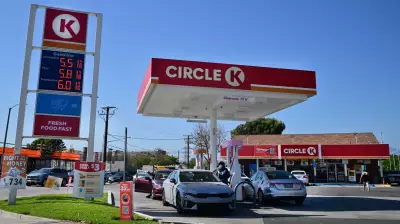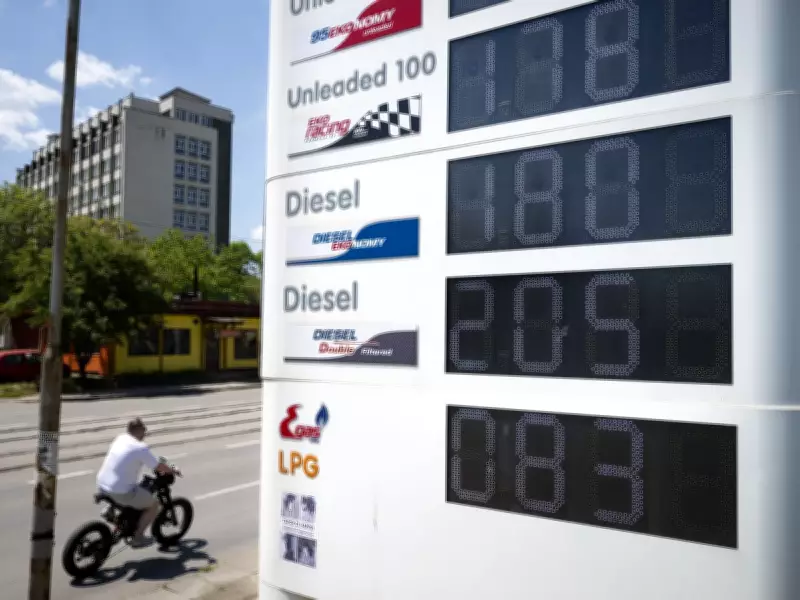
Oil briefly dropped below US$100 a barrel and gas slumped on Wednesday, as Iran evaluated a new proposal from the United States to end their near 10-week war. Benchmark Brent crude fell as much as 12% to US$96.75 a barrel in London, while West Texas Intermediate dropped up to 13%. European natural gas plunged as much as 14%. However, oil and gas later pared about half of those losses after U.S. President Donald Trump said in a Truth Social post that if Iran does not agree, "the bombing starts."
Details of the U.S. Proposal
Washington's one-page memorandum of understanding, if accepted by Iran, would lead to the gradual reopening of the Strait of Hormuz and the lifting of the American blockade on Iranian ports, according to a person familiar with the matter. Nothing has yet been agreed, and detailed negotiations on Iran's nuclear program will come later in the process. Iran is expected to send a response to the U.S. proposal via mediator Pakistan in the next two days.
Market Reaction and Analyst Views
"The oil price is reacting on shift in sentiment instead of market balances, driven by news of a potential deal between the US and Iran," said Giovanni Staunovo, an analyst at UBS Group AG in Zurich. "It remains unclear when flow through the strait would resume." Crude has climbed by about 40% since the conflict started at the end of February, cutting off hundreds of millions of barrels of Persian Gulf oil from global markets. Flows through the Strait of Hormuz have been constrained by a double blockade, with Tehran obstructing shipping while the U.S. stops vessels from accessing Iranian ports.

Political and Diplomatic Context
News of the potential breakthrough came as Trump faces increasing pressure to end the war he started alongside Israel at the end of February. China added its voice to global diplomatic pressure to wrap up the conflict, just two days after clashes in the critical strait drove oil higher and raised fears that a U.S.-Iran ceasefire was falling apart. At a meeting in Beijing, China's Foreign Minister Wang Yi urged Iranian counterpart Abbas Araghchi to keep negotiating, saying "a resumption of hostilities is inadvisable." This comes before Trump's expected summit with China's President Xi Jinping on May 14-15.
Iran's Response and Future Outlook
Part of the plan reported by Axios "contains excessive and unrealistic proposals which have been strongly rejected by our country's authorities in recent days," Iran's semi-official Iranian Students' News Agency reported, without specifying the source. On Wednesday, Iran said safe passage through Hormuz would be ensured under a new protocol. On Tuesday, Trump said the U.S. would pause an effort to escort ships through Hormuz to see if a deal can be reached with Iran, a decision made at the request of Pakistan and other countries.