Nova Scotia's Natural Gas Reserves Position Province for Global Energy Leadership
Canada's natural gas reserves have secured a place among the world's top ten largest reserves, with recent assessments revealing substantial untapped potential extending far beyond Alberta's well-documented resources. While Alberta's 2025 reserve study confirmed 1.36 quadrillion cubic feet of natural gas with 144 trillion cubic feet recoverable—valued at over $370 billion—another Canadian province stands poised to significantly expand the nation's energy portfolio.
Atlantic Province Holds Vast Offshore Potential
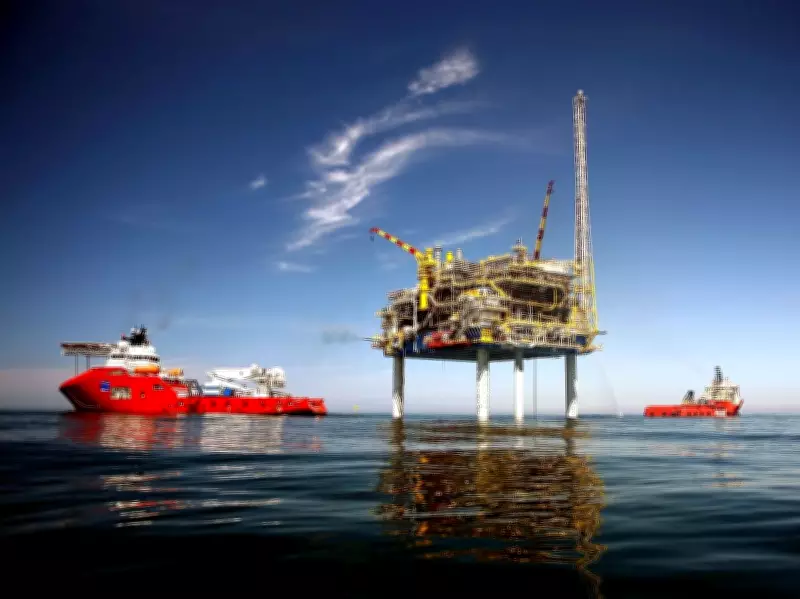
Nova Scotia, Canada's easternmost Atlantic province, hosts offshore natural gas reserves estimated at up to 148 trillion cubic feet. To date, these reserves have produced 2.1 trillion cubic feet, supplying both Nova Scotia and Northeast U.S. markets for nearly two decades. The province benefits from twenty-five years of offshore oil and natural gas operational experience, supported by what experts recognize as one of the world's strongest offshore regulatory systems.
Strategic geographical advantages further enhance Nova Scotia's position in the global energy market. The province lies one-third closer to Europe than the U.S. Gulf Coast, potentially cutting shipping times from two weeks to just one week. Cooler regional climates reduce liquefied natural gas conversion costs, while favorable geology enables carbon sequestration alongside natural gas production. Additionally, Nova Scotia's efficient ports maintain more competitive fee structures than many U.S. alternatives.

Onshore Reserves Await Development Following Policy Shift
Beyond offshore resources, Nova Scotia possesses substantial onshore natural gas reserves containing up to 36 trillion cubic feet of gas in place, with 7 trillion cubic feet considered recoverable based on analysis of just two of the province's seven geological basins. These resources remained inaccessible until early last year when Premier Tim Houston lifted the province's blanket ban on hydraulic fracturing, opening new possibilities for domestic energy development.
"Alberta is ready and willing to share its expertise in natural gas drilling to help Nova Scotia develop its onshore reserves," noted energy advocates, highlighting potential interprovincial collaboration. Alberta's century of natural gas exploration experience could prove invaluable as Nova Scotia moves to capitalize on its resources.
Economic and Strategic Implications for Canada
The development of Nova Scotia's natural gas reserves represents more than provincial opportunity—it signals potential transformation for Canada's national energy strategy. Both Alberta and Nova Scotia recognize shared priorities in developing natural resources, growing economic prosperity, and reducing dependence on foreign energy sources.
As global energy demands continue to evolve, Nova Scotia's combination of substantial reserves, strategic location, and newly favorable regulatory environment positions the province to potentially emerge as a significant player in international energy markets. The coming years will determine whether this Atlantic province can translate geological potential into tangible economic benefits for its residents and contribute meaningfully to Canada's energy security objectives.