Morgan Stanley cut oil price forecasts for the second time in about two weeks as flows through the Strait of Hormuz return faster than expected, while strong United States supply and weak Chinese demand raise the risk of a glut.
Forecast Cuts and Market Outlook
Dated Brent — a benchmark for physical transactions — is expected to average US$75 a barrel in the third and fourth quarters, down US$15 and US$5 respectively, analysts including Martijn Rats said in a note. Outlooks for all four quarters next year were also cut, with Dated seen at US$70 at the end of 2027.
Brent futures — the global benchmark — have collapsed about 30 per cent this quarter as the U.S. and Iran reached an interim peace that allowed some traffic through Hormuz to resume. The rapid shift has prompted analysts to revisit their forecasts, with Goldman Sachs Group Inc. also paring its outlook.

Strait of Hormuz Traffic Recovery
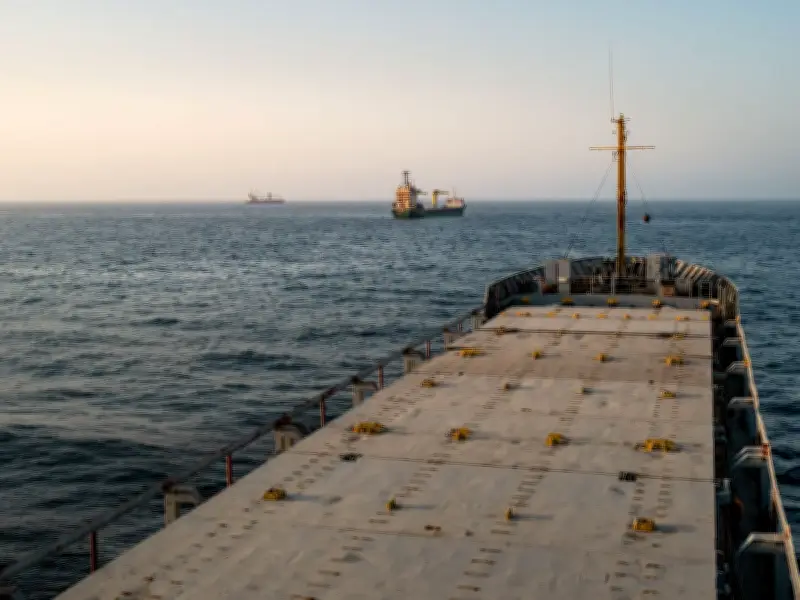
Morgan Stanley said it counted 35 oil and gas tankers exiting the Persian Gulf through the strait on Thursday — the first time the level returned to the 30-to-40 range typical before the conflict started in February. While traffic in the chokepoint had slowed over the weekend after two ships were hit, it has since picked up, adding to indications tanker companies are willing to navigate Hormuz.
To balance the oil market in 2027, flows through Hormuz need to recover to only about 65 per cent of the pre-conflict level, or about 11-to-12 million barrels a day, the bank said.
Analyst Commentary
“The Strait is reopening faster than expected, yet the ‘twin solvers’ of high U.S. exports and low Chinese imports remain in place,” the analysts said in the note, which followed an earlier round of reductions in a mid-June report. “As attention turns to 2027, the market has come full circle – back to surplus.”
Price Movements and Market Signals
Brent futures, which rose to a peak above $126 in April, have shed their war-time gains as Iran and the U.S. continue talks aimed at permanently ending the war. The most-active September contract was at US$73.41 on Tuesday.
Morgan Stanley pointed to a host of signs of near-term looseness. These included a bearish contango pricing pattern for oil futures, characterized by the prompt contract trading at a discount to the next in sequence, as well as some physical differentials that have been “marked to distress”.
“Strip away the narrative for a moment and read only the prices,” the analysts said. “They describe a market that has weakened across the board.”