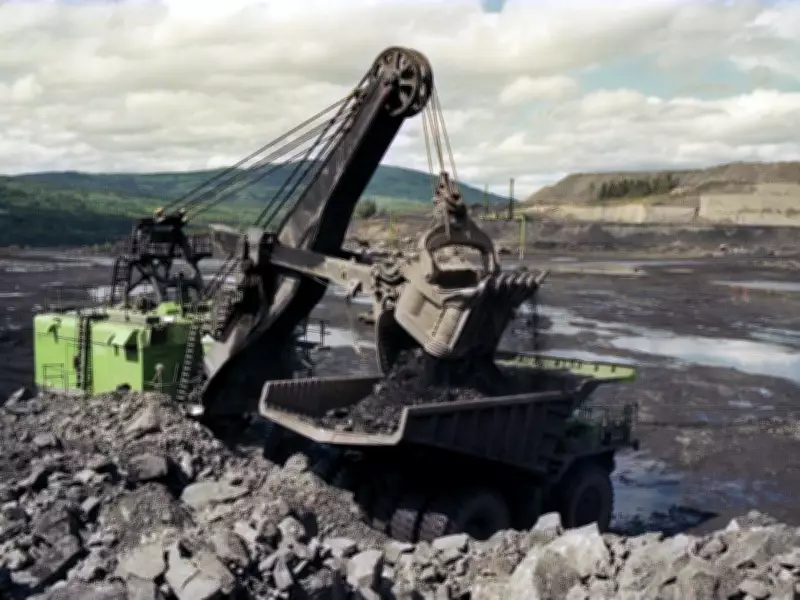
The Unseen Role of Metallurgical Coal in Modern Life and Alberta's Economy
Before most people even take their first sip of morning coffee, they are already enveloped by the pervasive presence of steel. From the structural frames of our homes and the appliances that fill them to the reinforcing bars in schools and hospitals, steel is an integral, yet often overlooked, component of daily existence. The bridges we traverse, the vehicles we operate, and even the wind turbines dotting the prairie landscapes all rely on this durable material, so deeply woven into the fabric of modern society that it becomes almost invisible.
The Essential Link Between Coal and Steel
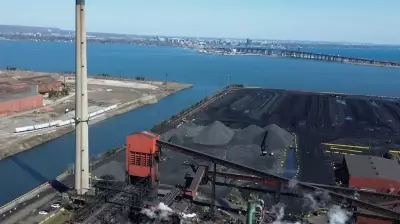
What remains largely unnoticed is the fundamental ingredient that makes this steel possible: metallurgical coal. Over 70 percent of the world's steel is still manufactured in blast furnaces that depend on this specialized coal, distinct from the type used for power generation. While emerging technologies offer promise for the future, they currently operate on a small scale, are cost-prohibitive, and are unlikely to replace conventional steelmaking methods on a global level for many decades. Consequently, steel and the coal required to produce it will continue to serve as a cornerstone of contemporary life for the foreseeable future.
Alberta's Economic Stake in Metallurgical Coal
This reality holds significant implications for Alberta, where a citizen-led initiative seeks to halt new coal development in the province. Driven partly by genuine environmental concerns but also by misunderstandings about metallurgical coal's purpose, this movement overlooks its critical role as an industrial input rather than an energy source. Canada ranks as the world's seventh-largest producer of steelmaking coal, with exports in 2024 nearing $10 billion, approximately 90 percent of which was metallurgical coal. The sector directly employs more than 10,000 Canadians, with additional jobs supported in related industries such as rail transportation, port operations, engineering, environmental services, and manufacturing.

These statistics are not mere abstractions; they represent real families in communities like Crowsnest Pass, Tumbler Ridge, Sparwood, and Grande Cache, where livelihoods are intertwined with the coal industry. Opponents often claim that coal projects are hastily approved or lack proper oversight, but the truth is more nuanced. In Alberta, the Alberta Energy Regulator operates independently from government influence, mandating that all projects undergo rigorous environmental assessments, public hearings, and detailed scrutiny. Decisions are subject to legal challenges, and projects failing to meet established standards are consistently rejected.
Environmental Safeguards and Lessons Learned
Water quality is a frequent point of contention, yet Canada's coal mines are governed by stringent federal regulations under the Coal Mining Effluent Regulations of the Fisheries Act, which impose enforceable limits to protect aquatic ecosystems. The Elk Valley in British Columbia is often referenced as a cautionary example due to historical water quality issues from mining activities. However, it also serves as a story of progress: the Elk Valley Water Quality Plan, implemented in 2013, has worked to stabilize and reduce high selenium concentrations while allowing mining to continue under more sustainable practices.
Alberta has incorporated lessons from such experiences, with regulators now requiring comprehensive water management plans, continuous monitoring, and transparent public reporting. Mitigation strategies include engineered water treatment systems, controlled rock storage, and wetland restoration projects, ensuring that environmental protection remains a priority alongside economic development.
In summary, the debate over coal in Alberta must acknowledge the indispensable role of metallurgical coal in steel production and its substantial economic contributions. By balancing innovation with robust regulatory frameworks, the province can support both industrial vitality and environmental stewardship, fostering a future where steel remains a silent yet essential partner in our daily lives.