Manitoba Hydro Confronts Triple Threat: Drought, Debt, and Rising Costs
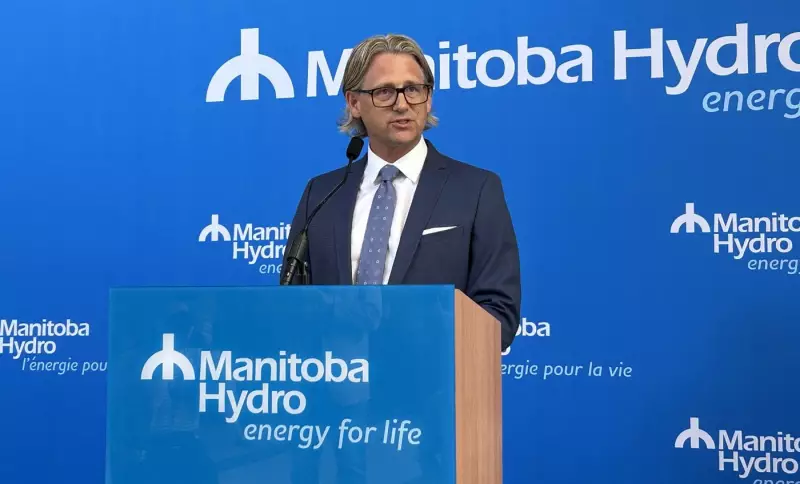
Manitoba Hydro, the provincial Crown corporation responsible for electricity generation and distribution, is grappling with a confluence of significant challenges that threaten its operational stability and financial health. In a recent address, President and Chief Executive Officer Allan Danroth highlighted three primary concerns: an ongoing severe drought, escalating debt levels, and looming major capital expenses.
The Drought Dilemma and Its Impact on Hydropower
At the forefront of Manitoba Hydro's worries is a persistent and severe drought affecting the province. This environmental condition poses a direct threat to the utility's core business, as Manitoba relies heavily on hydropower for electricity generation. Reduced water levels in key reservoirs and rivers can significantly diminish power output, potentially forcing the utility to purchase more expensive power from external markets to meet provincial demand. This scenario not only increases operational costs but also jeopardizes revenue from electricity exports, a critical income stream for the corporation.
The drought's severity underscores the vulnerability of renewable energy sources to climate variability and adds urgency to discussions about diversifying Manitoba's energy portfolio.

Mounting Debt and Financial Pressures
Compounding the environmental challenge is Manitoba Hydro's substantial debt burden. Years of large-scale infrastructure projects, including dam and transmission line construction, have left the corporation with significant financial obligations. Servicing this debt requires a steady and robust revenue flow, which the drought and associated operational disruptions could undermine. The debt situation limits financial flexibility, making it harder to invest in new technologies, grid modernization, or contingency measures for dry periods.
This financial strain is occurring amidst broader economic pressures, including inflation and rising interest rates, which can increase borrowing costs and further tighten the utility's budget.
Looming Capital Expenditures and Future Planning
Looking ahead, Manitoba Hydro faces considerable upcoming expenses for necessary infrastructure upgrades, maintenance, and potential new projects. Aging assets require refurbishment to ensure reliability, and environmental regulations may mandate investments in cleaner technologies or mitigation efforts. These capital expenditures are essential for long-term sustainability but represent a significant financial outlay at a time when revenue streams are under threat from drought conditions.
CEO Allan Danroth, speaking from the utility's base in Winnipeg, emphasized the need for strategic planning to navigate these interconnected issues. Potential strategies on the table include:
- Implementing water conservation and management techniques to optimize hydropower generation during low-flow periods.
- Exploring debt management and refinancing options to alleviate financial pressure.
- Investigating alternative energy sources or storage solutions to complement hydropower and enhance grid resilience.
- Engaging with provincial regulators and government on rate structures or support mechanisms to ensure financial viability.
The situation at Manitoba Hydro serves as a microcosm of the challenges facing many utilities across Canada and globally, where environmental change, financial constraints, and infrastructure needs converge. How the corporation addresses this triple threat of drought, debt, and expenses will have profound implications for Manitoba's energy security, economic stability, and environmental stewardship in the coming years.