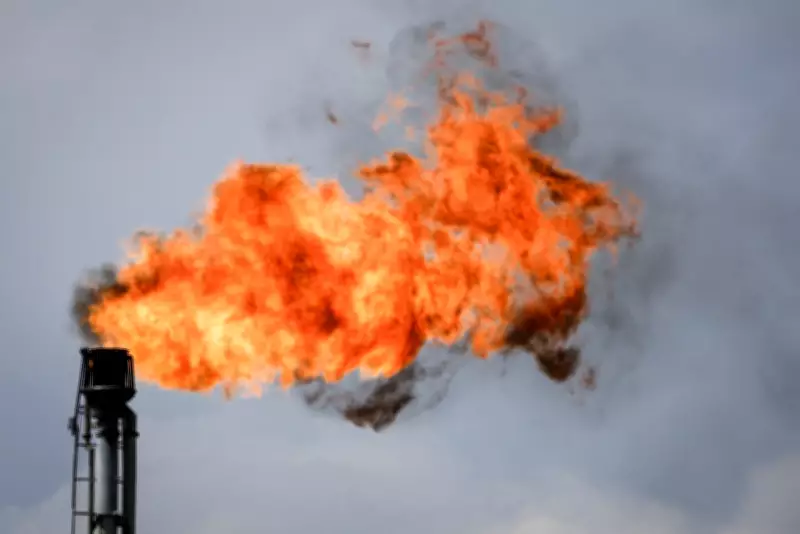
LNG Canada's Gas Flaring Operations Exceed Permitted Volumes
Newly released documents have revealed that LNG Canada's gas flaring activities are far surpassing the volumes authorized under its environmental permits. This significant discrepancy raises serious questions about the facility's adherence to regulatory standards and its environmental impact.
Details from the Documents
The internal records indicate that the flaring, which involves burning off excess natural gas, has consistently operated at levels well above the limits set by regulatory authorities. This practice, while sometimes necessary for safety during plant operations, contributes to greenhouse gas emissions and air pollution when not properly controlled.
Environmental experts express concern that such exceedances could undermine Canada's climate commitments and set a troubling precedent for industrial operations in the energy sector. The documents do not specify the exact magnitude of the overage or the duration of these violations, but they confirm a pattern of non-compliance that warrants further investigation.

Regulatory and Industry Implications
This revelation comes at a time when Canada's liquefied natural gas industry is under intense scrutiny for its environmental footprint. LNG Canada, as one of the country's flagship LNG projects, faces increased pressure to demonstrate operational excellence and environmental stewardship.
The facility's permit violations highlight potential gaps in monitoring and enforcement mechanisms. Regulatory bodies may need to strengthen oversight and implement more stringent reporting requirements to ensure compliance across the sector.
Industry analysts note that while some flaring is inevitable during plant commissioning and maintenance, sustained exceedances of permitted volumes suggest systemic issues that require immediate attention. The company has not yet issued a public statement addressing these specific findings.
Broader Environmental Concerns
Gas flaring releases carbon dioxide, methane, and other pollutants into the atmosphere, contributing to climate change and affecting local air quality. When facilities operate beyond their permitted flaring limits, they exacerbate these environmental impacts, potentially harming nearby communities and ecosystems.
This situation underscores the ongoing tension between economic development through resource extraction and environmental protection. As Canada pursues its LNG export ambitions, balancing these priorities remains a critical challenge for policymakers, industry leaders, and regulators alike.