Baghdad Merchants Rally Against New Import Tariffs as Iraq Faces Oil Revenue Decline
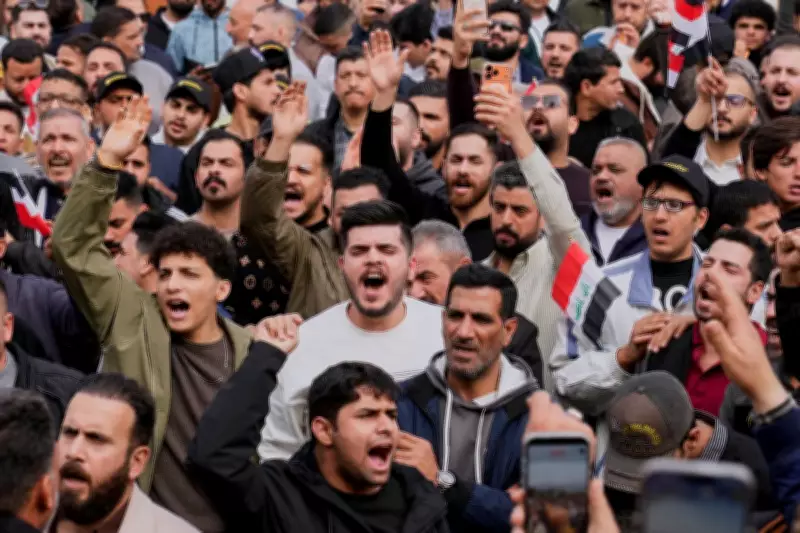
In a significant display of economic discontent, traders in Baghdad have taken to the streets to protest the imposition of new customs duties on imported goods. This demonstration underscores the growing financial pressures in Iraq as the nation wrestles with a notable contraction in its crucial oil revenues.
Economic Strain and Public Outcry
The protest, which unfolded in the Iraqi capital on Sunday, February 8, 2026, saw merchants voicing strong opposition to the recently implemented tariffs. These duties are part of broader governmental efforts to diversify income sources beyond the volatile oil sector, which has historically dominated Iraq's economy. However, with oil revenues shrinking due to global market fluctuations and production challenges, the new financial measures have sparked widespread concern among business owners and consumers alike.
The timing of these tariffs is particularly sensitive, as many Iraqis are already feeling the pinch of inflation and reduced purchasing power. Traders argue that the additional costs will be passed on to consumers, exacerbating economic hardships in a country where imports play a vital role in meeting daily needs, from food to electronics.

Broader Implications for Iraq's Financial Health
Iraq's reliance on oil exports has long been a double-edged sword, providing substantial revenue but leaving the economy vulnerable to external shocks. The current decline in oil income has prompted the government to seek alternative fiscal strategies, including the customs tariffs now under fire. While aimed at bolstering state coffers, these policies risk stifling trade and discouraging investment at a time when economic stability is paramount.
Experts note that the protests reflect deeper systemic issues, including the need for structural reforms to reduce dependency on hydrocarbons. Without such changes, Iraq may continue to face cyclical economic crises, impacting everything from public services to employment rates.
Looking Ahead: Challenges and Potential Solutions
As the protests in Baghdad highlight, balancing fiscal policy with public welfare remains a delicate task for Iraqi authorities. Potential paths forward could include:
- Phasing in tariffs gradually to allow businesses time to adjust.
- Investing in non-oil sectors like agriculture and technology to create more resilient revenue streams.
- Enhancing transparency in how tariff revenues are used to build public trust.
The situation in Iraq serves as a reminder of the complex interplay between resource management, economic policy, and social stability in nations heavily dependent on natural resources. How the government responds to this outcry could shape Iraq's economic trajectory for years to come.