Iran Sustains Oil Exports Through Strait of Hormuz as Maritime Traffic Remains High
Despite escalating regional conflicts, Iran has maintained a steady flow of oil exports through the critical Strait of Hormuz, with approximately 90 ships crossing the waterway daily. This persistent maritime activity underscores the strategic importance of the strait for global energy supplies, even as geopolitical tensions simmer in the Middle East.
Robust Shipping Activity Amid Ongoing War
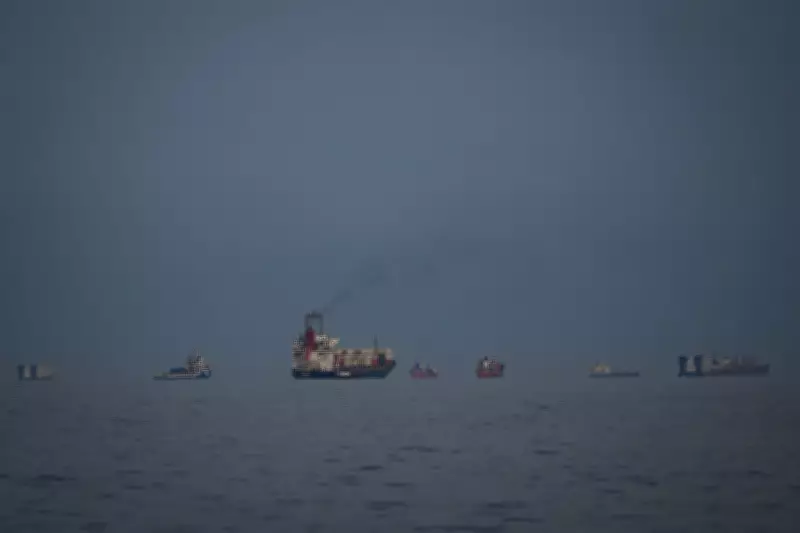
Observations from Khor Fakkan in the United Arab Emirates on March 11, 2026, revealed a lineup of oil tankers and cargo ships navigating the narrow passage. The Strait of Hormuz, a chokepoint for about one-fifth of the world's oil consumption, continues to see significant traffic as Iran exports millions of barrels of oil. This activity persists despite the backdrop of war, highlighting the complex interplay between energy economics and regional security dynamics.
The resilience of this shipping lane is notable, given its vulnerability to disruptions. Analysts point to Iran's reliance on oil revenues as a key driver, with exports supporting its economy amid international pressures. The consistent movement of vessels suggests that, for now, commercial interests are prevailing over potential security risks in the area.

Global Implications of Strait of Hormuz Traffic
The high volume of ships traversing the strait has broader implications for global markets and energy security. Any significant interruption could lead to oil price spikes and supply shortages, affecting economies worldwide. However, the current flow indicates that stakeholders are managing to operate despite the challenging environment.
This situation reflects a delicate balance, where maritime logistics adapt to geopolitical realities. The presence of numerous tankers and cargo ships demonstrates the ongoing demand for Iranian oil and the strait's role as a vital conduit for international trade. As conflicts continue, monitoring this traffic will be crucial for assessing regional stability and energy market trends.