Iran's Gulf Gas Field Targeted in Major Escalation
In a significant development that heightens regional tensions, Iran's massive South Pars gas field in the Persian Gulf has been struck. This incident represents a major escalation, with potential implications for global energy markets and geopolitical stability.
Details of the Attack
The attack targeted the South Pars gas field, located near Asalouyeh on Iran's northern coast of the Persian Gulf. This field is one of the world's largest natural gas reserves, making it a critical asset for Iran's economy and energy sector. The exact nature and extent of the damage remain unclear, but the strike has raised immediate concerns about supply disruptions.
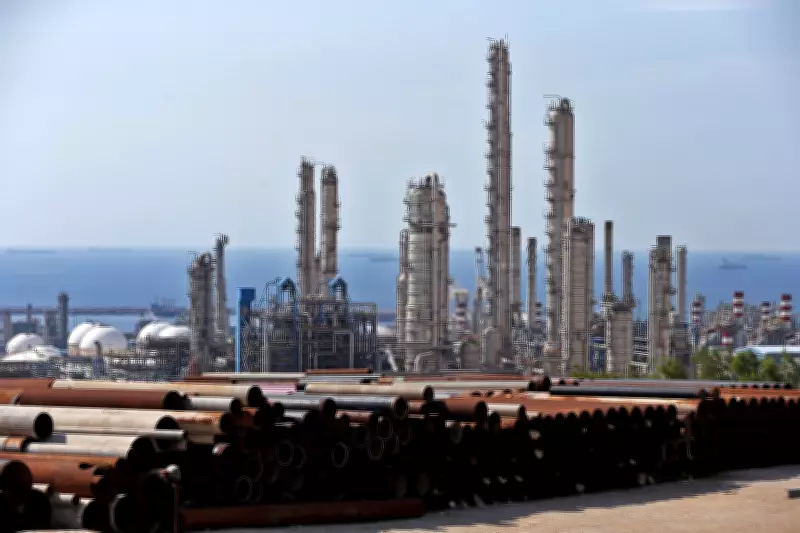
This Nov. 19, 2015, file photo shows a general view of a petrochemical complex in the South Pars gas field, highlighting the infrastructure's scale and importance. The timing of this attack comes amid ongoing regional conflicts and diplomatic strains, potentially signaling a dangerous new phase in hostilities.

Geopolitical Context and Implications
The Persian Gulf region has long been a flashpoint for international tensions, with numerous actors involved in complex power dynamics. An attack on such a vital energy installation could have far-reaching consequences:
- Energy Security: Disruptions to gas production at South Pars could affect global energy supplies, particularly in markets dependent on Persian Gulf resources.
- Regional Stability: This escalation may provoke retaliatory measures and further destabilize an already volatile region.
- Economic Impact: Iran's economy, heavily reliant on energy exports, could face significant setbacks from damage to this critical infrastructure.
The incident underscores the fragile nature of energy security in conflict-prone areas and highlights how geopolitical tensions can directly impact vital economic assets.
Broader Regional Concerns
This attack occurs against a backdrop of multiple regional challenges, including ongoing conflicts, diplomatic disputes, and competition for influence in the Middle East. The targeting of energy infrastructure represents a particularly dangerous tactic, as it threatens not just military objectives but civilian economies and international markets.
As details continue to emerge, the international community will be closely monitoring the situation for potential ripple effects on energy prices, regional security arrangements, and diplomatic relations among Persian Gulf states and their global partners.