IEA Director Stresses Strategic Petroleum Reserves as Global Lifeline Amid Conflict
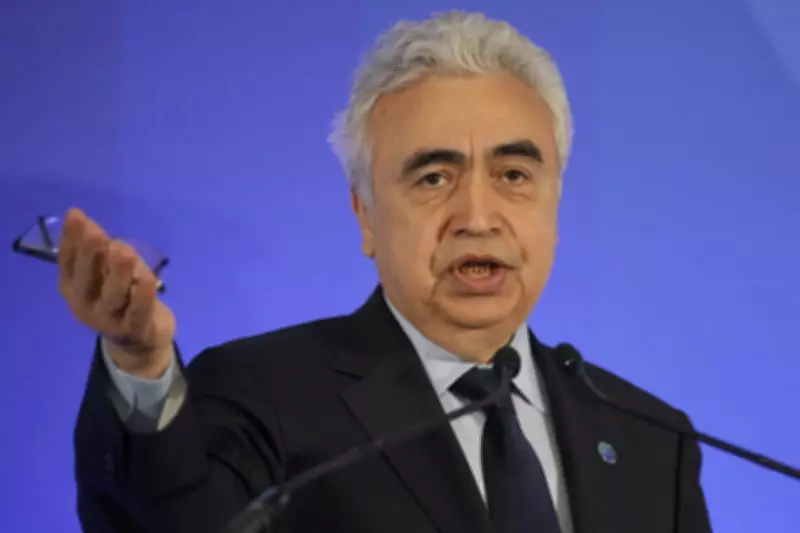
Fatih Birol, the Executive Director of the International Energy Agency (IEA), has issued a stark warning that recent supply disruptions stemming from the Iran war have powerfully underscored the indispensable importance of maintaining robust emergency oil reserves. Speaking at a press conference during the International Summit on the Future of Energy Security in London, Birol emphasized that such geopolitical conflicts create sudden and severe jolts to global oil markets, threatening economic stability worldwide.
Geopolitical Turmoil Exposes Fragile Energy Supply Chains
The expert analysis points to the Iran conflict as a prime example of how regional wars can rapidly escalate into international energy crises. Birol highlighted that without adequate strategic petroleum stockpiles, nations are left dangerously vulnerable to price spikes and supply shortages when production or transportation routes are compromised. The IEA, which coordinates responses among its member countries during oil supply emergencies, views these reserves as a critical buffer against market volatility.
"The events surrounding Iran have delivered a sobering reminder that energy security cannot be taken for granted," Birol stated during his address. "Emergency reserves provide not just a physical supply cushion but also psychological reassurance to markets during periods of extreme uncertainty."

Historical Context and Future Preparedness
The International Energy Agency maintains that member countries should hold oil reserves equivalent to at least 90 days of net imports. This requirement was established precisely to mitigate the impacts of supply disruptions like those currently being witnessed. Birol's comments come at a time when global energy systems are facing unprecedented pressures from multiple directions, including geopolitical tensions, climate transition challenges, and shifting demand patterns.
The IEA director further explained that emergency reserves serve multiple crucial functions:
- Stabilizing prices during supply shocks
- Ensuring continuity for critical infrastructure and services
- Providing negotiating leverage in international diplomacy
- Buying time for alternative supply arrangements to be established
Broader Implications for Energy Policy
This expert assessment arrives as governments worldwide reevaluate their energy security strategies in light of recent conflicts. The Iran war disruption has demonstrated that even localized conflicts can have immediate ripple effects across global markets, affecting everything from transportation costs to manufacturing inputs. Birol urged policymakers to view strategic petroleum reserves not as a cost but as an essential insurance policy against unpredictable geopolitical events.
The IEA continues to monitor the situation closely and stands ready to coordinate a collective response if needed. As the global energy landscape grows increasingly complex, the agency's message is clear: emergency oil reserves remain one of the most effective tools for maintaining stability when unexpected crises emerge.