World's Largest Natural Gas Field Targeted in Iran, Prompting Immediate Retaliation
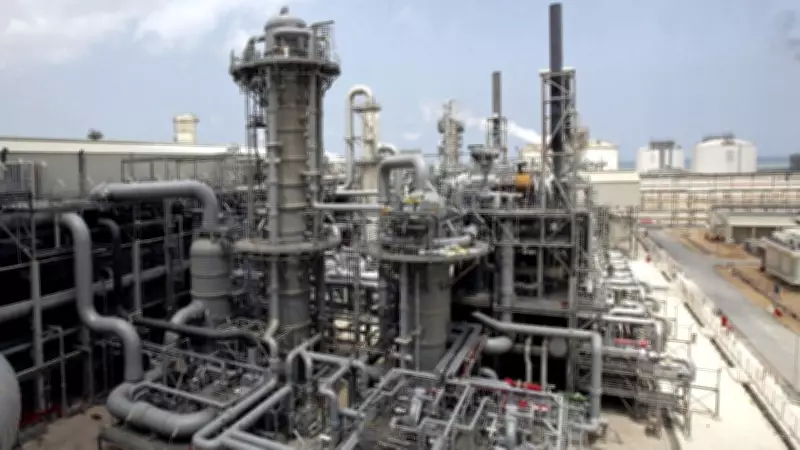
In a dramatic escalation of regional hostilities, the world's largest natural gas field located in Iran has been struck by military action, according to multiple reports. The attacks, which occurred overnight, targeted critical energy infrastructure in the country, sending plumes of smoke rising from the facility and dealing what analysts describe as a substantial blow to Iran's economic and strategic interests.
Tehran's Swift Response to Energy Infrastructure Attacks
Iranian forces launched immediate retaliatory strikes following the assault on their natural gas operations. These counterattacks represent a significant intensification in the ongoing conflict, with Tehran demonstrating its willingness to respond forcefully to perceived aggression against its national assets. The natural gas field in question represents a cornerstone of Iran's energy sector and export capabilities, making its targeting a particularly provocative act with far-reaching consequences.
The timing of these developments coincides with heightened tensions in the region, including recent discussions in the U.S. Senate regarding intelligence assessments of Iran's military capabilities. During congressional hearings, intelligence officials have characterized Iran as posing what they term an "immediate threat" to regional stability, providing context for the current volatile situation.

Global Implications of Energy Infrastructure Targeting
The targeting of such significant energy infrastructure carries implications far beyond immediate military concerns. As the world's largest natural gas field, this facility plays a crucial role in global energy markets, and any disruption to its operations could potentially affect energy supplies and pricing internationally. Military analysts note that attacks on energy infrastructure represent a strategic approach to applying pressure on adversarial governments by undermining their economic foundations.
Meanwhile, the broader conflict has prompted discussions about appropriate policy responses, with some political figures facing questioning about their positions regarding Iran's nuclear program and regional activities. The situation remains fluid, with diplomatic channels reportedly working to prevent further escalation even as military actions continue.
The international community is closely monitoring developments, recognizing that sustained conflict in this strategically vital region could have cascading effects on global security arrangements, energy stability, and economic conditions worldwide. As retaliatory actions continue, the potential for miscalculation and further escalation remains a significant concern among policymakers and security experts.