U.S.-Israel Military Action Against Iran Throws Global Oil Markets into Turmoil
The ongoing military conflict between the United States, Israel, and Iran has plunged global oil markets into significant disruption, leading to a sharp spike in crude oil futures. This crisis stems largely from Iran's decision to restrict oil tanker access through the Strait of Hormuz, a critical chokepoint responsible for approximately 20% of the world's oil supply. Since the military strikes commenced on February 28, crude oil futures have surged dramatically, briefly exceeding $100 per barrel for the first time in nearly four years before retreating to around $80 by Monday.
Gasoline Prices Surge Nationwide, California Hit Hardest
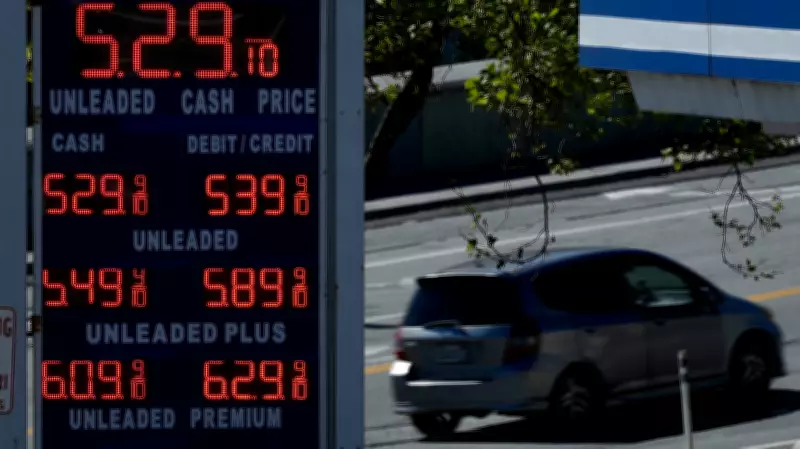
This oil market volatility has translated directly to pain at the pump for American consumers. According to data from AAA, the average price for a gallon of regular gasoline has jumped 19% over the past month, rising from $2.93 to $3.57 as of March 11. However, the situation is far more severe in California, where the average price has reached a staggering $5.33 per gallon, significantly outpacing the national average.
California consistently bears the brunt of global oil supply disruptions due to a confluence of structural factors. These include the state's overall higher cost of living, elevated gasoline taxes, stringent environmental regulations, and constrained refinery capacity. A key driver is California's mandate for a unique, cleaner-burning gasoline blend designed to reduce pollution and improve air quality, as noted by the U.S. Energy Information Administration (EIA).

Unique Fuel Blend and Supply Chain Vulnerabilities
This specialized fuel requirement makes California's market exceptionally vulnerable to supply chain interruptions. Very few refineries outside the state produce this specific blend, which is manufactured almost exclusively for the California market. Consequently, the majority of gasoline consumed in California is refined within its own borders.
Data from the California Energy Commission (CEC) for March 2025 indicates that the state's environmental regulations alone add an average of 54 cents to the cost of each gallon of gasoline. Geographic and infrastructural limitations further exacerbate the issue. The West Coast lacks extensive pipeline connections to refineries located east of the Rocky Mountains, and pipelines to the Gulf Coast are limited. Of the refineries that can access California's market, only a handful can meet the state's exacting fuel blend specifications.
Taxation's Major Role in High Prices
Taxation represents another substantial component of California's elevated gasoline prices. CEC data reveals that taxes contribute an average increase of 90 cents per gallon. While the federal gas tax is uniform nationwide, adding about 18 cents, the remaining 72 cents is comprised of:
- State excise tax: 60 cents per gallon (the highest in the nation, compared to a 28-cent average across all states).
- State sales tax: 10 cents per gallon.
- Underground storage tank fee: 2 cents per gallon.
Political Blame Amidst the Crisis
Amidst this price surge, California Governor Gavin Newsom has placed the blame squarely on federal leadership. He attributes the spike directly to President Donald Trump's decision to initiate military action against Iran. "Average gas prices in California have stayed below $5 for nearly two years – until now," the governor's office stated in a social media post. "This is because of Trump’s war with Iran." This political framing underscores the complex interplay between international conflict, energy policy, and economic impact on consumers.