Could Iran Ceasefire Lower Maritime Gas Prices? Experts Weigh In
As geopolitical tensions potentially ease with a proposed ceasefire in Iran, Maritime drivers are eyeing potential relief at the gas pumps. Industry analysts suggest that reduced conflict in the Middle East could translate into lower oil prices, which may filter down to consumers in Atlantic Canada by the end of the week.
Expected Price Drop and Market Dynamics
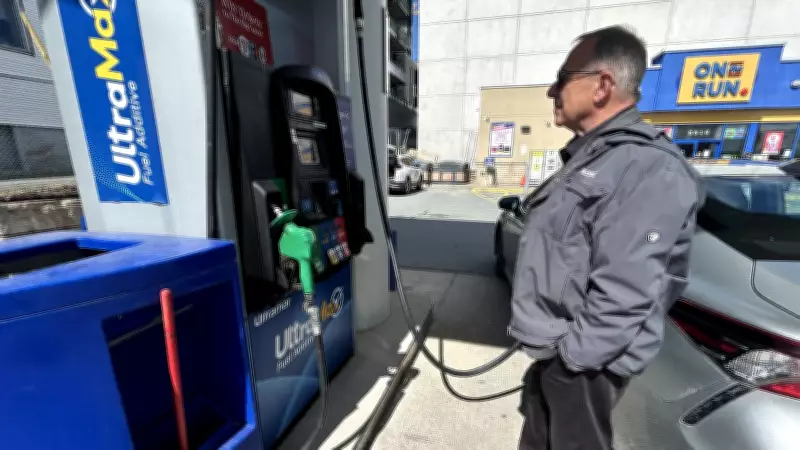
Gas prices are projected to drop by approximately 12 cents per litre on Friday, according to market forecasts. This anticipated decrease is directly linked to the softening of global oil prices following news of the potential ceasefire. David Andrews, a Halifax resident seen filling up his vehicle, echoed the sentiment of many drivers: "Any relief is welcome, especially with how volatile prices have been."
The connection between Middle Eastern stability and local fuel costs hinges on global oil supply chains. A ceasefire in Iran could reduce fears of supply disruptions, leading to a more stable and potentially lower-priced oil market. This, in turn, affects refining costs and ultimately the price consumers pay at the pump.

Broader Economic Context
While the focus is on immediate relief, the situation underscores the interconnected nature of global politics and regional economies. The Maritimes, like much of Canada, are sensitive to international oil price fluctuations. This potential price drop comes amid broader discussions about energy security and economic policy.
It is important to note that while oil prices have dropped sharply on international markets, the full effect on Canadian pump prices typically takes a few days to materialize due to logistical and pricing mechanisms within the fuel distribution system.
What This Means for Consumers
For Maritime households and businesses, a 12-cent reduction per litre could mean significant savings, especially for those who commute long distances or rely on transportation for their livelihoods. However, experts caution that geopolitical situations remain fluid, and prices could shift again based on further developments.
The proposed ceasefire in Iran represents a key factor, but other elements such as domestic refining capacity, seasonal demand changes, and currency exchange rates also play roles in determining final gas prices.
As the week progresses, drivers are advised to monitor updates, with the expected price drop serving as a temporary reprieve in the ongoing challenge of managing fuel expenses in the region.