Imperial Oil to Cease Operations at Historic Norman Wells Site After Century of Production
Imperial Oil Ltd., a subsidiary of Exxon Mobil Corp., has announced plans to permanently shut down the historic Norman Wells oil production site near the Arctic Circle in Canada's Northwest Territories. This decision marks the end of a remarkable century-long chapter in Canadian energy history.
A Century of Arctic Oil Production Comes to an End
The company revealed on Friday, January 30, 2026, that it will wind down operations at this remote facility along the Mackenzie River by the end of the third quarter. The Norman Wells site has been pumping crude oil since the 1920s, operating through some of Canada's most extreme environmental conditions.
This closure represents a significant moment in Canada's industrial history, as Norman Wells played a crucial role during the Second World War by fuelling the Allied defense of the Pacific Coast. Following the conflict's conclusion in 1945, the oil was redirected to Alberta for domestic consumption, contributing to Canada's post-war economic development.

Declining Production and Financial Implications
Provincial data reveals a substantial decline in the site's productivity over recent decades. As of September, Norman Wells was producing just under 4,000 barrels per day, a dramatic decrease from its peak output of approximately 35,000 barrels daily in 1992.
Imperial Oil has recorded a $320 million after-tax charge related to the shutdown in its fourth-quarter financial results. The company has indicated that site reclamation activities are scheduled to commence sometime after 2030, beginning the process of restoring the Arctic environment.
Government Response and Community Impact
Northwest Territories Premier R.J. Simpson expressed disappointment while acknowledging the inevitability of the decision. "While this decision is not entirely unexpected given the age of the facilities and long-term trends, it is still disappointing," Simpson stated in an official press release.
The Premier emphasized the government's immediate priorities, saying, "In the immediate period ahead, our focus as a government is on support, certainty, and a responsible path forward." This statement highlights the significant economic and social implications for the remote northern community that has depended on this operation for generations.
Environmental and Economic Transition
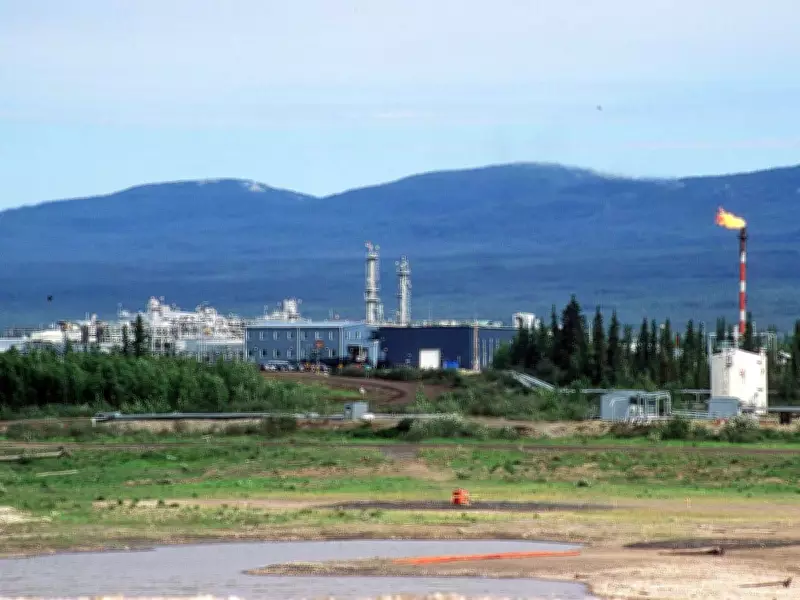
The closure of Norman Wells represents more than just the end of an industrial operation—it symbolizes a transition point for Canada's northern energy sector. For a century, the site's giant flare stack has been an iconic landmark along the Mackenzie River, visible evidence of human industry in one of the world's most challenging environments.
As Imperial Oil prepares to cease operations, attention now turns to:
- The environmental reclamation process that will follow
- The economic transition for workers and local communities
- The future of energy development in Canada's Arctic regions
- The preservation of the site's historical significance
This closure decision reflects broader trends in Canada's energy sector, where aging infrastructure, changing economic conditions, and evolving environmental priorities are reshaping the country's industrial landscape.