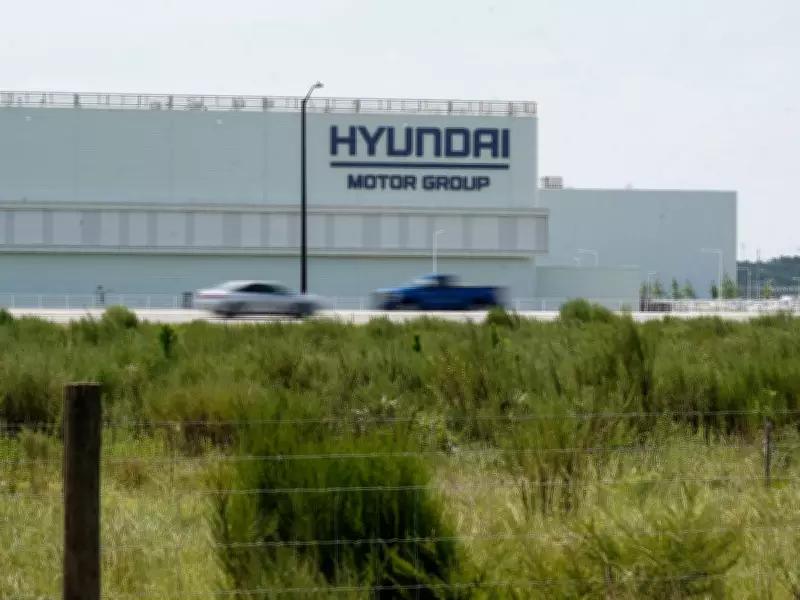
Hyundai Motor Co. has put forward an ambitious proposal to develop hydrogen fuel-cell infrastructure across Canada, linking this initiative directly to South Korea's competitive bid for a lucrative submarine construction contract with the Canadian government. According to Glenn Copeland, chief executive of Hanwha Defence Canada, Hyundai executives briefed Canadian officials during a recent visit to Korea, outlining preliminary plans for establishing three or four strategic "network corridors" within the northern nation.
Hydrogen Corridors for Sustainable Transport
These proposed corridors would serve as dedicated zones where hydrogen fuel-cell facilities could be deployed to support zero-emission railways and heavy-duty trucking operations. Copeland emphasized that this represents a "significant investment" with the potential to transform major transportation arteries across Canada's vast landscape. The hydrogen fuel-cell technology would enable trains to refuel quickly and cover long distances efficiently, making it particularly well-suited to Canada's expansive geography and abundant clean energy resources.
Submarine Contract Competition Heats Up
The hydrogen infrastructure proposal emerges as part of South Korea's broader effort to secure a multibillion-dollar contract to build up to 12 new submarines for Canada. Two finalists remain in contention: a Hanwha-led consortium that includes HD Hyundai Heavy Industries Co., and a German-Norwegian proposal from Thyssenkrupp Marine Systems (TKMS). The Canadian government views this submarine program as a strategic opportunity to channel substantial investment into domestic sectors that have been adversely affected by U.S. tariffs, particularly automotive manufacturing and steel production.

Copeland cautioned that the hydrogen transport plan remains preliminary and subject to ongoing discussions between Hyundai and Canadian authorities. In an official statement, Hyundai confirmed it is "reviewing a range of opportunities with Canada, including potential collaboration in the hydrogen sector." The company's vision aligns with Canada's growing emphasis on sustainable transportation solutions and clean energy development.
Broader Economic Partnerships and Commitments
This development follows recent agreements between Canada and Korea to explore bringing Korean automotive manufacturing to Canadian soil. Industry Minister Melanie Joly traveled to Berlin to sign a similar pact with Germany, though these discussions remain exploratory. Currently, no South Korean or European automakers operate vehicle assembly plants in Canada.
Gabrielle Landry, spokesperson for Minister Joly, emphasized that the government is actively seeking investments that will expand automotive manufacturing employment opportunities. "Canada already excels at building cars, and we are seeking to further expand our capabilities," Landry stated.
Hanwha has already secured approximately 15 memoranda of understanding with Canadian companies, committing to investments and job creation should it win the submarine contract. These agreements include a potential $345 million investment in Algoma Steel Group Inc. for a steel-beam mill and plans to establish a shipbuilding training center in Hamilton, Ontario.
Decision Timeline and Future Announcements
Hanwha faces a March 2 deadline to submit its final proposal to the Canadian government, with Copeland anticipating a decision by June. He indicated that the company will continue announcing additional domestic investment pledges in the coming months, with forthcoming commitments expected in aerospace, mining, and natural gas sectors.
The hydrogen transport network proposal represents a forward-looking approach to infrastructure development that could significantly advance Canada's clean transportation objectives while creating economic opportunities across multiple industries. As discussions progress, this initiative may serve as a model for how major defense contracts can catalyze broader sustainable development and technological innovation within host countries.