Houston's Energy Hub Anticipates Shift with Venezuela's Potential Market Entry
The city of Houston, long recognized as the epicenter of the United States oil and gas industry, is currently abuzz with strategic preparations and renewed optimism. This surge in activity is directly linked to the potential easing of restrictions that could open access to Venezuela's substantial crude oil reserves. Industry analysts and corporate leaders are closely monitoring geopolitical developments, as a change in policy could significantly alter global energy flows and market dynamics.
Strategic Positioning in the Global Energy Landscape
Major energy firms and service companies headquartered in Houston are reportedly limbering up their operational capabilities and logistical networks. This preparatory phase involves reassessing supply chains, updating compliance protocols for international trade, and evaluating the infrastructure required to handle different grades of crude. The anticipation stems from ongoing diplomatic discussions that might lead to a partial or full reopening of Venezuela's oil sector to foreign investment and trade, which has been largely restricted by sanctions for years.
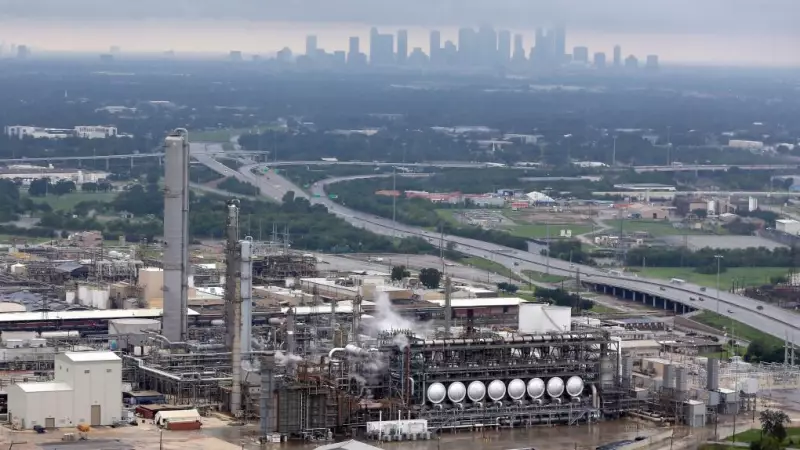
Experts suggest that Houston's unique position, with its extensive refinery complex along the Gulf Coast and its deep-water port facilities, makes it a natural gateway for any increased Venezuelan oil imports. The region's refineries are specifically configured to process heavier crude oils, similar to those produced in Venezuela, which could create a mutually beneficial economic relationship if trade barriers are reduced.

Economic Implications and Market Reactions
The prospect of integrating Venezuelan crude into the North American market is already influencing strategic planning within corporate boardrooms across Houston. This potential shift comes at a time when the global energy sector is navigating a complex transition, balancing traditional fossil fuel demands with the rise of renewable alternatives. Access to Venezuelan reserves could provide a more diversified and secure supply base for U.S. refiners, potentially impacting global oil prices and regional energy security.
Market observers note that while the opportunity is significant, it is accompanied by considerable uncertainty. The political and economic stability of Venezuela remains a primary concern, and any renewed engagement would require careful risk management. Nevertheless, the preparatory actions in Houston underscore the industry's readiness to capitalize on new opportunities as they emerge, reinforcing the city's enduring role as a critical node in the world's energy infrastructure.
As the situation develops, stakeholders from Houston to Caracas are watching closely, understanding that the decisions made in the coming months could reshape trade patterns and competitive advantages within the international energy market for years to come.