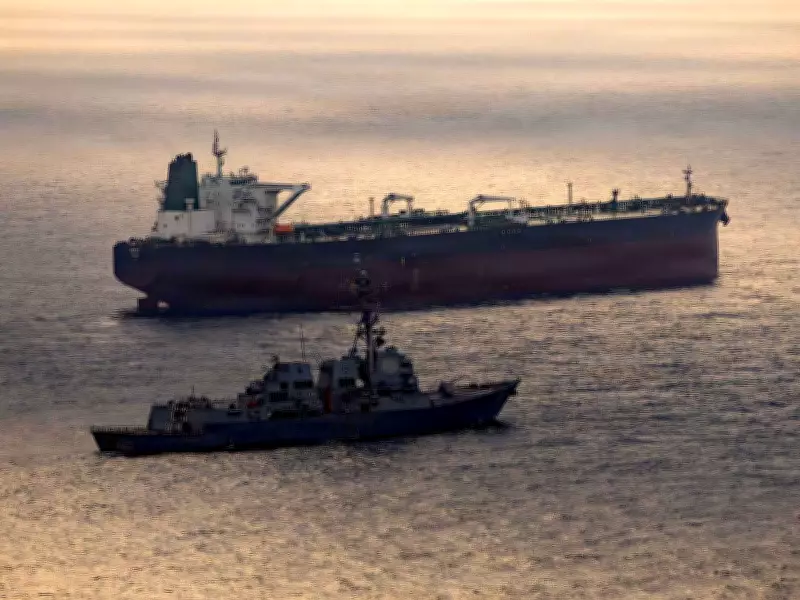
Oil flows through the Strait of Hormuz fell by nearly six million barrels per day in the first quarter of 2026, marking the onset of a major energy shock that has disrupted global supplies and driven prices sharply higher. According to data released Wednesday by the U.S. Energy Information Administration (EIA), approximately 14.6 million barrels per day of crude oil and petroleum liquids moved through the strait in the first three months of the year, down from 20.4 million barrels per day a year earlier. This represents a decline of nearly 30% compared to the same period in 2025 and a drop from 20.7 million barrels per day in the fourth quarter of 2025.
Impact on Global Oil Markets
The Strait of Hormuz has been effectively closed since the outbreak of the war in Iran, cutting off a vital maritime route that handles about a quarter of the world's seaborne oil. Brent crude futures, the global benchmark, have surged more than 45% since the conflict began. In the United States, national retail gasoline prices have exceeded US$4.50 per gallon, hovering near their highest levels since 2022.
Rising Inflationary Pressures
The increase in energy costs is now feeding into broader inflation indicators. The U.S. producer price index, which measures wholesale costs, rose 6% in April compared to a year earlier, marking the sharpest monthly gain since 2022. This suggests that the energy shock is beginning to affect other sectors of the economy.

Shifts in Global Shipping Routes
As supplies are diverted away from the Strait of Hormuz, volumes of crude oil and liquids transported through alternative routes such as the Panama Canal and the Bab El-Mandeb Strait increased in the first quarter. Producers are utilizing alternative shipping routes, and buyers scrambling to replace Middle East supplies have driven up shipments in other parts of the world.
New EIA Report
This data comes from the first edition of the EIA's Global Energy Security Data report, launched specifically to assess how the war in Iran has disrupted global energy supplies and reshaped assumptions about oil markets. The report provides critical insights into the ongoing energy crisis and its implications for global trade and security.