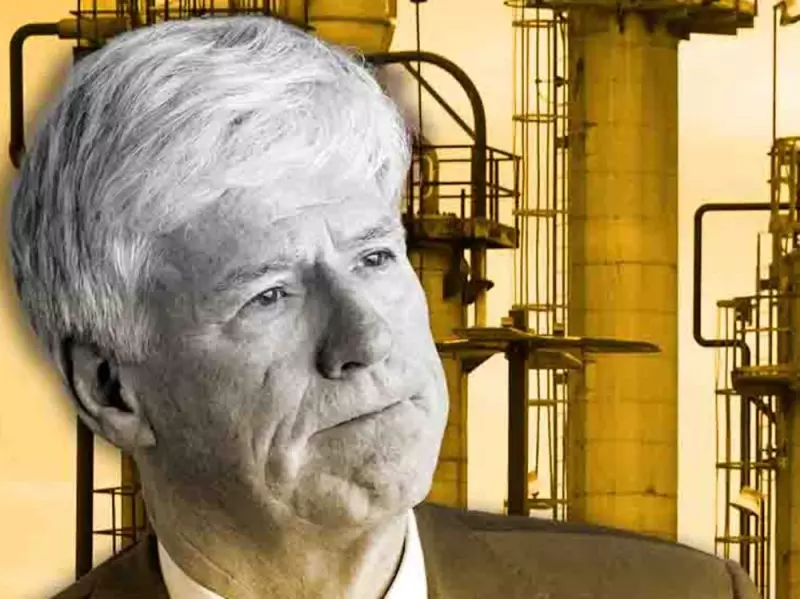
Canada's Energy Minister, Tim Hodgson, points to a pivotal moment in February that crystallized a new reality for Canadian policymakers: watching U.S. President Donald Trump publicly berate Ukraine's leader in the Oval Office. For Hodgson, the incident underscored a fundamental shift in American foreign policy, signaling that Canada must urgently fortify its own economic and energy sovereignty to avoid similar pressure.
A Strategic Pivot Towards Economic Competitiveness
Since being sworn into Prime Minister Mark Carney's cabinet, Hodgson has been at the forefront of a significant federal pivot. The government is aggressively executing plans to enhance Canada's economic competitiveness, moving with speed on controversial legislation designed to fast-track approvals for major national interest projects. This shift represents what University of Calgary economist Trevor Tombe calls a "down-ranking of non-economic concerns and the moving up the priority list of economic outcomes."
The centerpiece of this push is the newly created Major Projects Office (MPO), based in Calgary and led by former Trans Mountain Corp. chair Dawn Farrell. Its mandate is to accelerate regulatory approvals for critical infrastructure, energy, and mining investments. This initiative has not been without controversy, sparking concern from some Indigenous and environmental groups and drawing ire from public-sector unions over reported private-sector talent poaching.

The Alberta Agreement and Seizing the Energy Opportunity
Hodgson, a former Goldman Sachs banker, played a key role in negotiating a landmark memorandum of understanding (MOU) with Alberta. This deal, described as a formal reset after years of federal-provincial friction, lays out a cooperative framework for major energy projects. These include a potential new oil pipeline to the West Coast and a multi-billion-dollar carbon capture and storage initiative.
In an interview, Hodgson framed the changing U.S. posture not just as a challenge but as an opportunity. "The United States' fundamental change in how it engages with the world has caused many challenges... But it's also given us a gift," he stated. "It's reminded us what a great country we have and that it's a country worth fighting for." He noted unease among European leaders regarding Washington's energy pressure, further highlighting the global opening for a reliable supplier like Canada.
The Path to 2026
The minister's focus is squarely on the near future. He believes that if Canada plays its cards right heading into 2026, it can capitalize on its energy resources and stable governance. The strategic boost for sectors like mining, oil, and gas is seen as crucial, as Tombe notes they are "high value" and have been "kept smaller than they otherwise would be if it were just up to market."
The overarching message from Ottawa is clear: in a world where traditional allies are recalibrating their priorities, Canada intends to leverage its vast energy resources and project approval efficiency to secure its economic future and sovereign independence. The success of the MPO and the Alberta MOU will be critical tests of this new strategic direction.