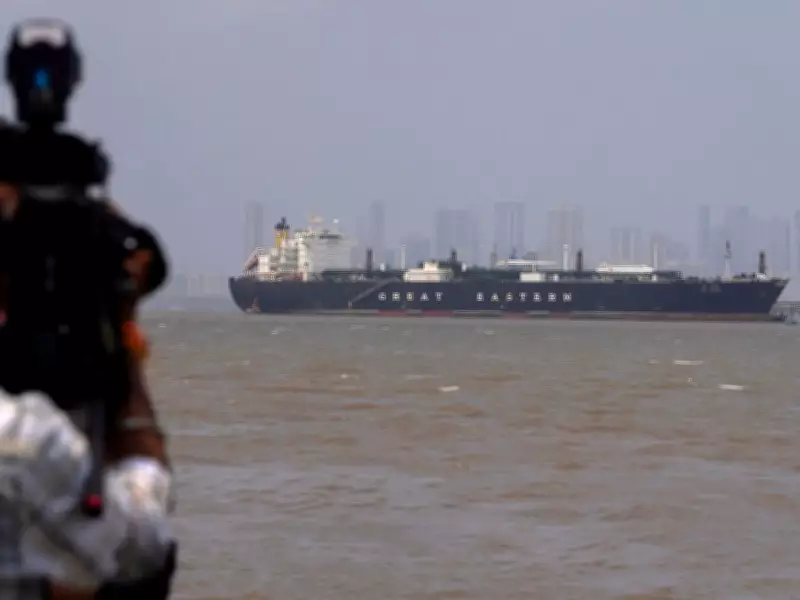
Goldman Sachs Issues Stark Warning on Oil Prices Amid Hormuz Strait Closure
Analysts from Goldman Sachs Group Inc. have issued a critical forecast, indicating that Brent crude oil could average more than US$100 per barrel throughout 2026 if the Strait of Hormuz remains closed for an additional month. This prediction comes as the oil market remains intensely focused on the strategic waterway, which has been largely shut down since a U.S. and Israeli attack on Iran in February 2026, sparking regional conflict.
Geopolitical Tensions Drive Market Uncertainty
The situation in the Strait of Hormuz is described as "fluid" by Goldman Sachs analysts, including Daan Struyven, in a recent note. This assessment follows the initiation of a two-week ceasefire between the United States and Iran, with Vice President JD Vance characterizing the truce as fragile. The analysts emphasized that risks to their price forecasts are skewed to the upside, highlighting ongoing volatility in global oil markets.
While Tehran and Washington announced a pause in hostilities in exchange for reopening the strait, details of the agreement remain unclear. The closure has severely impacted global oil trade, as the Strait of Hormuz is a vital conduit, handling approximately one-quarter of the world's seaborne oil traffic during peacetime. The waterway connects the Persian Gulf to international markets, with Iran positioned to its north.

Goldman Sachs' Price Scenarios and Market Impact
Goldman Sachs outlined several scenarios based on the strait's status:
- Base-Case Outlook: Assuming flows through the strait resume this weekend, followed by a gradual, one-month recovery in Persian Gulf exports to pre-war levels, Brent crude is projected to average US$82 per barrel in the third quarter and US$80 in the fourth quarter of 2026.
- Adverse View: If the reopening is postponed by one month, Brent could average above US$100 per barrel in the second half of 2026.
- Extended Closure Scenario: In a more severe case involving a longer shutdown and loss of regional production, forecasts rise to US$120 per barrel in the third quarter and US$115 in the fourth quarter.
Brent crude recently traded above US$98 per barrel, after a 13% drop on Wednesday when the ceasefire was announced. During the peak of the crisis, futures surged as high as US$119.50, underscoring the market's sensitivity to geopolitical developments.
Political Statements and Regional Adjustments
U.S. President Donald Trump stated on social media that it had been "agreed, a long time ago" that the Strait of Hormuz would remain open and safe, while threatening renewed military action against Iran if the agreement is not fully honored. Concurrently, Iran's Ports and Maritime Organization announced two designated safe routes for vessels entering and exiting the strait, centered around Larak Island, approximately 30 kilometers off Iran's coast at Bandar Abbas, as reported by state-run Nour News.
The ongoing blockade has turned shipping-related investments into gauges of the Iran war, with one shipping ETF experiencing a 1,300% rally. As oil prices begin to climb again with the strait still blocked, the global energy sector braces for potential disruptions that could ripple through economies worldwide, affecting everything from transportation costs to consumer prices.