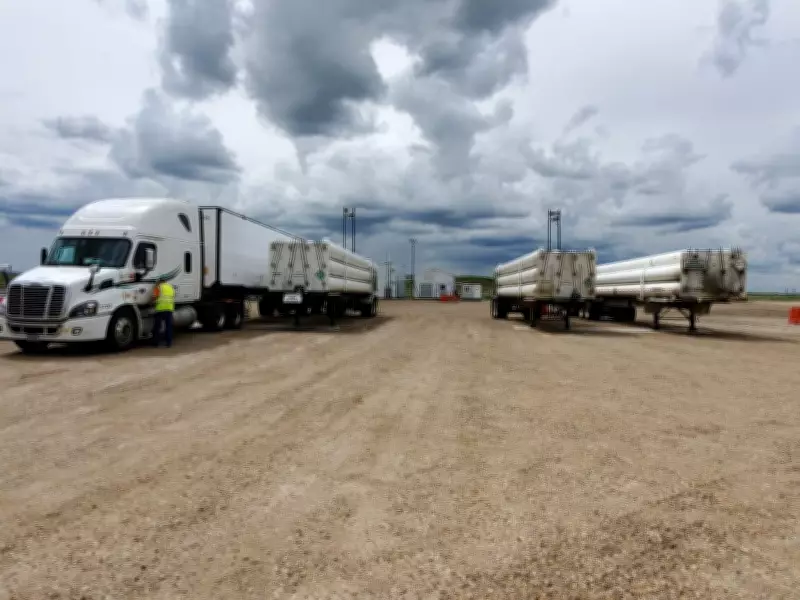
Canada possesses significant helium reserves, yet the industry faces substantial obstacles that prevent it from meeting global demand. According to a recent analysis, regulatory hurdles and infrastructure limitations are the primary factors holding back production.
Industry Challenges
The Helium Developers Association of Canada highlights that despite the country's potential, projects are often delayed by complex permitting processes and a lack of pipeline infrastructure. This has led to missed opportunities in a market where helium is critical for medical imaging, semiconductor manufacturing, and space exploration.
Global Demand Surge
Worldwide demand for helium is rising, driven by technological advancements and healthcare needs. However, Canada's share of the market remains underdeveloped. Industry experts argue that streamlining regulations and investing in transportation networks could unlock the sector's full potential.

In Alberta, companies like Thor Helium have begun operations, but scaling up requires coordinated efforts between governments and private entities. The current pace of development is insufficient to capitalize on the growing international appetite for this non-renewable resource.
Without decisive action, Canada risks falling behind other helium-producing nations, such as the United States and Qatar, which have more favorable policies and infrastructure. The industry calls for a strategic approach to ensure Canada becomes a key player in the global helium market.