Gas prices in Canada experienced a notable decline on Wednesday, driven by growing optimism over a potential de-escalation of tensions in the Middle East. However, experts caution that the reprieve at the pump may be temporary, as geopolitical uncertainties persist.
Price Drop Offers Temporary Relief
According to data from the Canadian Automobile Association, the national average price for regular gasoline fell by several cents per litre, providing some respite for motorists ahead of the summer driving season. The decrease was particularly evident in major cities such as Montreal, Toronto, and Vancouver.
“We’re seeing a bit of a dip due to hopes for a ceasefire or diplomatic resolution in the Middle East,” said Dan McTeague, a senior petroleum analyst. “But the situation remains fluid, and any reversal could send prices back up quickly.”

Market Reactions and Expert Views
The drop follows comments from U.S. President Donald Trump, who stated that the blockade on the Strait of Hormuz would be lifted, a key factor in easing supply concerns. Crude oil prices, which have been volatile, also retreated slightly on the news.
However, analysts warn that the global oil market is still tight, with supply constraints from OPEC+ and ongoing conflicts. “This is not a long-term trend,” said Rory Johnston, an energy economist. “Unless we see a sustained peace, prices will likely rebound.”
Impact on Canadian Consumers
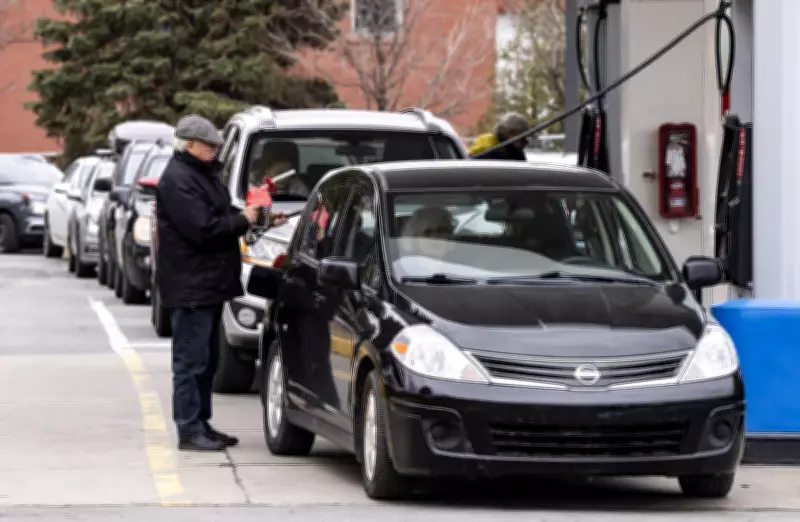
For Canadians, the price drop comes as a welcome change after months of elevated costs. In the Maritimes, overnight decreases of up to five cents per litre were reported. In Montreal, drivers lined up at stations to take advantage of lower prices before the weekend.
“It’s nice to see some relief, but I’m not counting on it lasting,” said Jean-Pierre Tremblay, a Montreal resident. “I’ll fill up now while I can.”
Broader Economic Context
The decline in gas prices coincides with news that Canada slipped into a technical recession in the first quarter of 2026, as the economy stalled. Lower fuel costs could provide a modest boost to consumer spending, but economists remain cautious.
“Cheaper gas puts a bit more money in people’s pockets, but it’s not enough to offset broader economic weakness,” said Avery Shenfeld, chief economist at CIBC Capital Markets.
Looking Ahead
As the situation in the Middle East evolves, drivers are advised to monitor prices closely. While the current trend is positive, uncertainty remains high. “We could see prices bottom out and then rise again if tensions flare,” McTeague added.
For now, Canadians are enjoying a moment of relief, but the question of how long it will last lingers.